Gypsum board technology has evolved significantly in recent years, with manufacturers introducing specialized boards tailored to specific performance requirements such as fire resistance, moisture control, sound insulation, and lightweight design. These innovations respond to growing demands for safer, more durable, and energy-efficient buildings across residential, commercial, and industrial sectors.
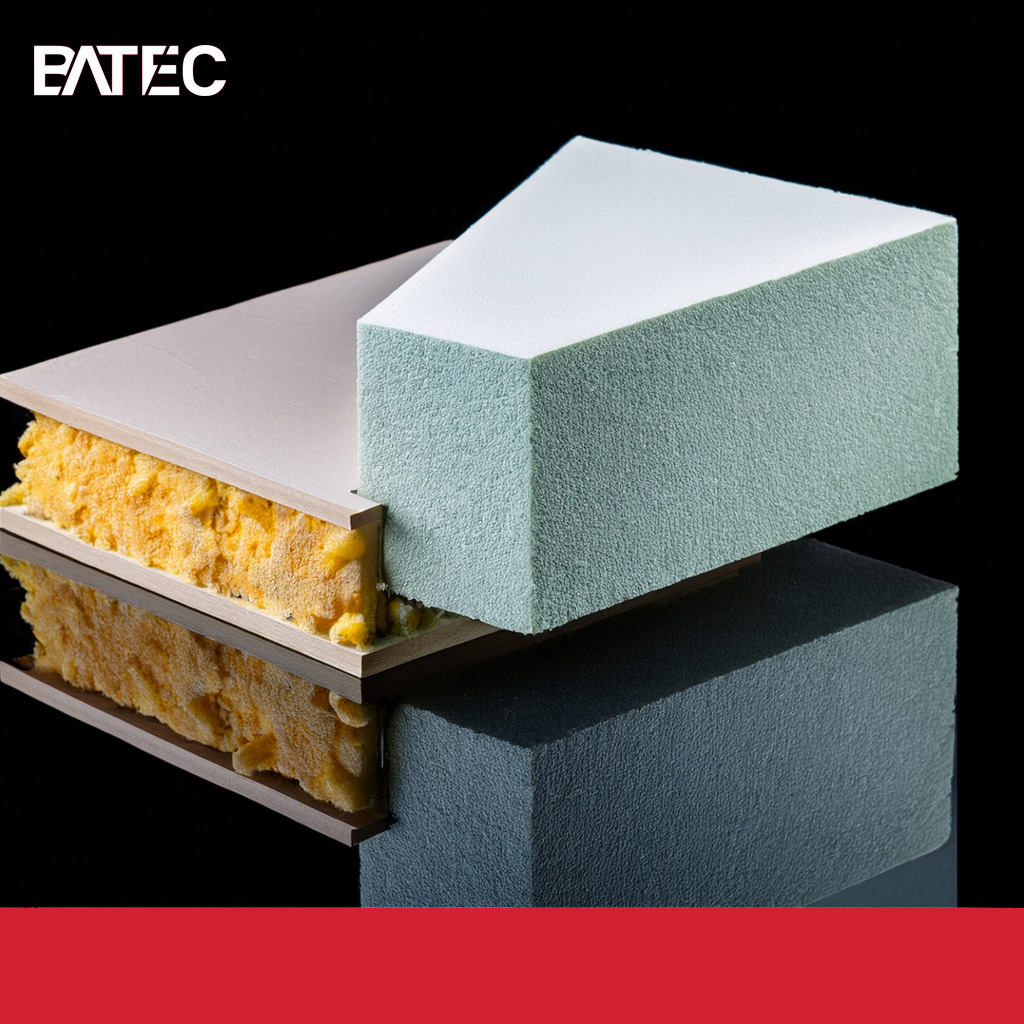
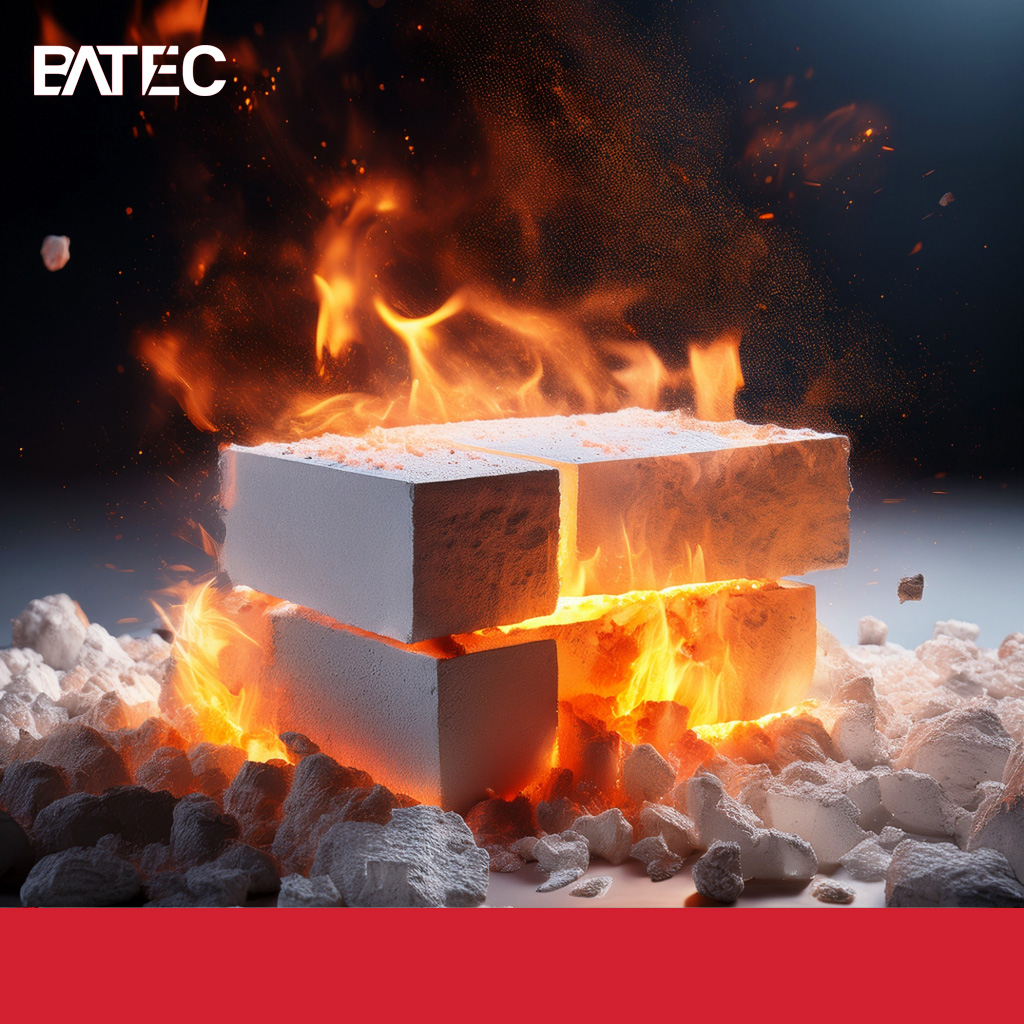
One major advancement is the development of moisture-resistant gypsum boards, often identified by a green color by some manufacturers, which are designed for use in high-humidity areas like bathrooms and kitchens. These boards feature additives and special facings that inhibit mold growth and water absorption. Similarly, fire-rated boards incorporate glass fibers and other additives to enhance fire endurance, providing critical safety benefits in multi-family housing and commercial structures.
Another emerging trend is the production of lightweight gypsum boards, which reduce structural load and ease installation without compromising strength or performance. Brands like Knauf and Saint-Gobain have introduced boards that are up to 30% lighter than standard ones, making them ideal for retrofitting projects and tall buildings where weight considerations are crucial.
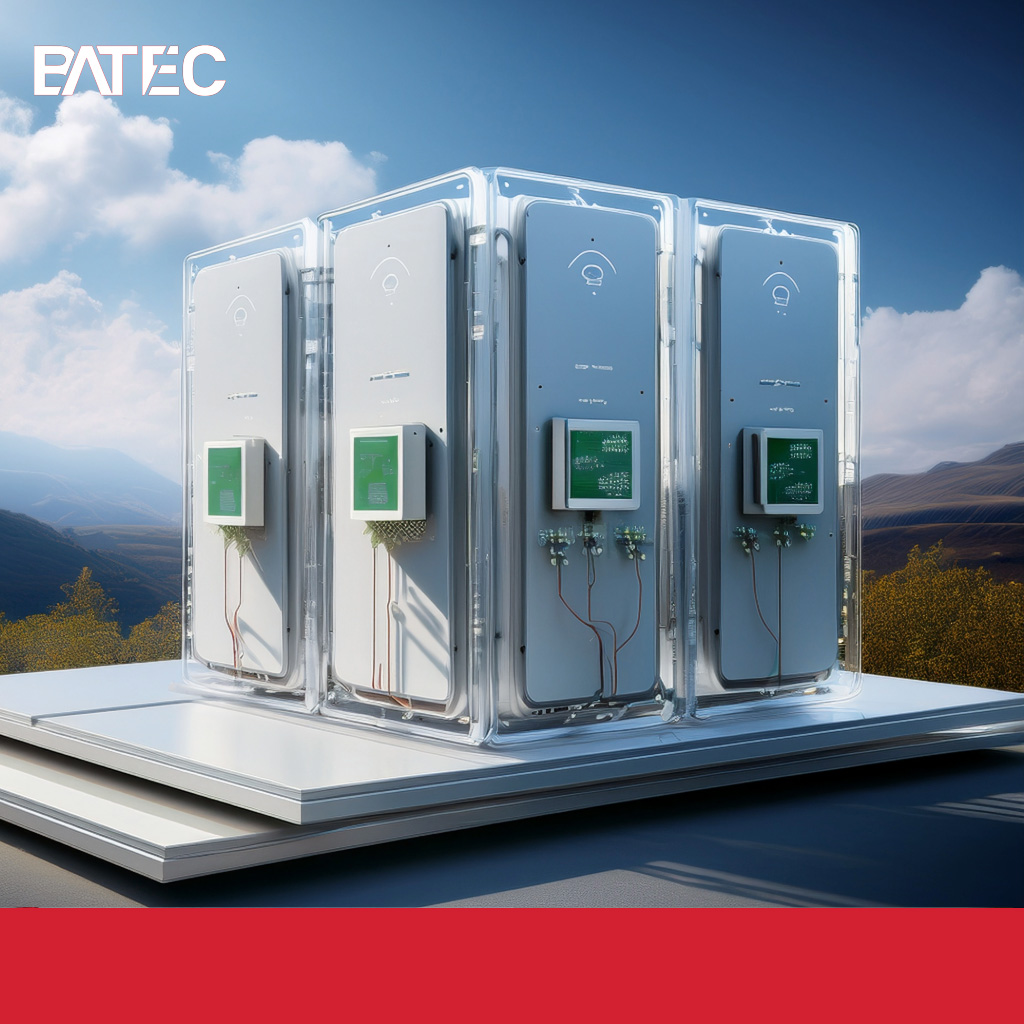
Additionally, manufacturers are integrating smart technologies into gypsum boards, such as phase-change materials (PCMs) that help regulate indoor temperatures, and embedded sensors for monitoring environmental conditions. These smart boards align with the broader movement toward intelligent and responsive building systems, enhancing comfort, efficiency, and long-term value for building owners and occupants.