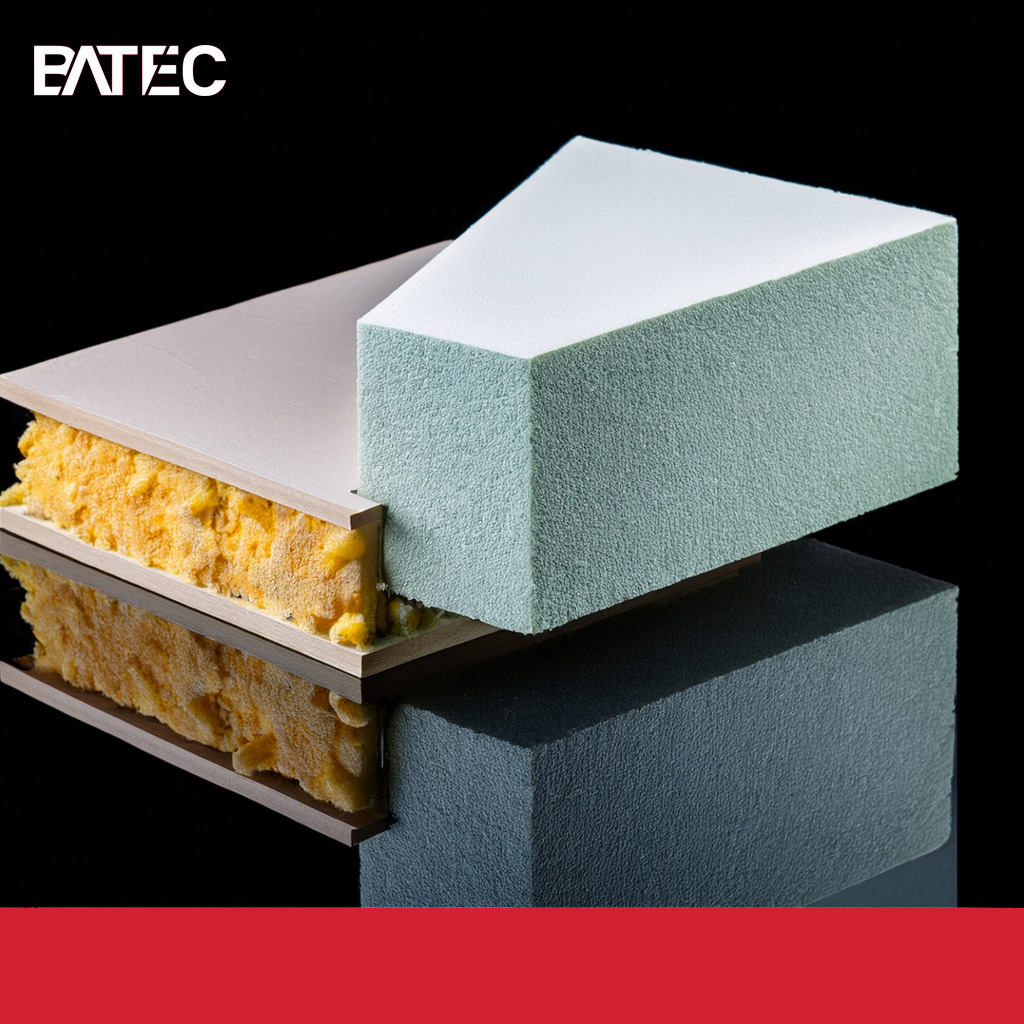
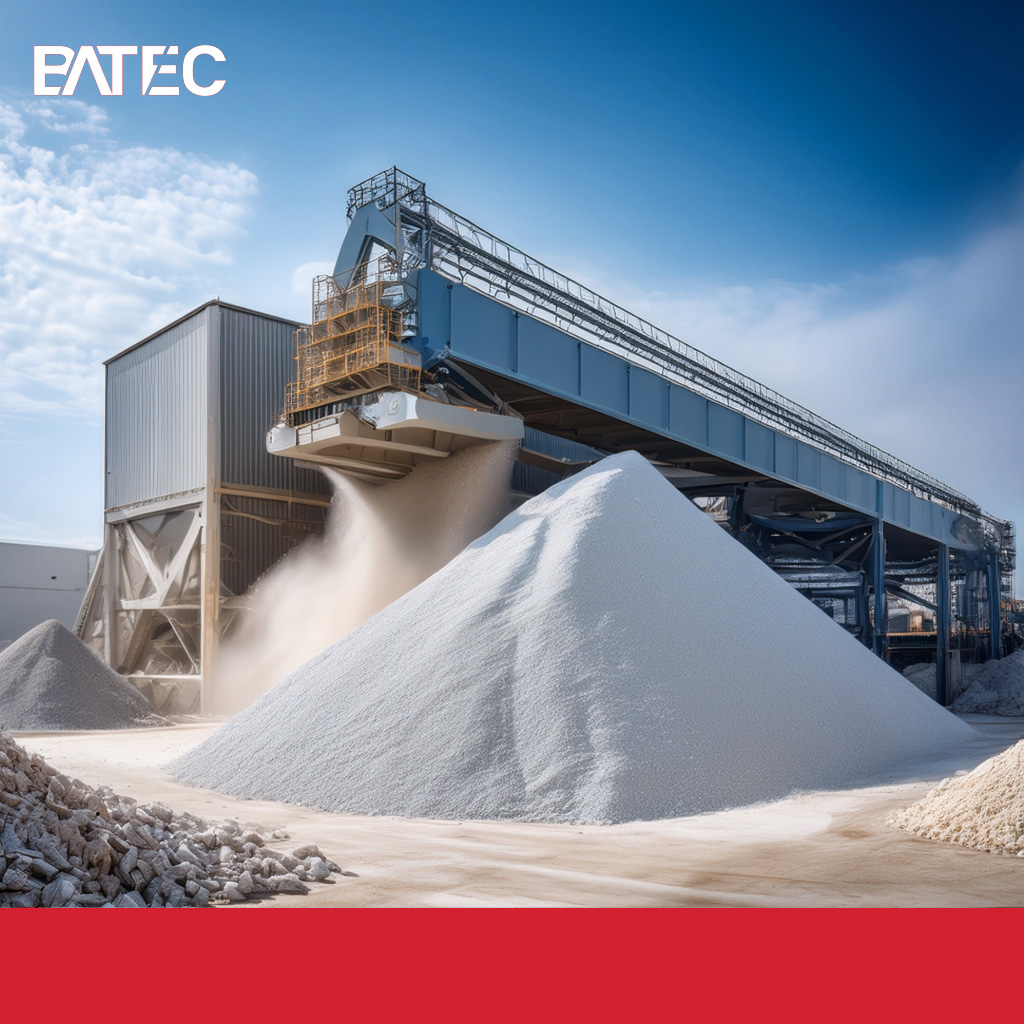
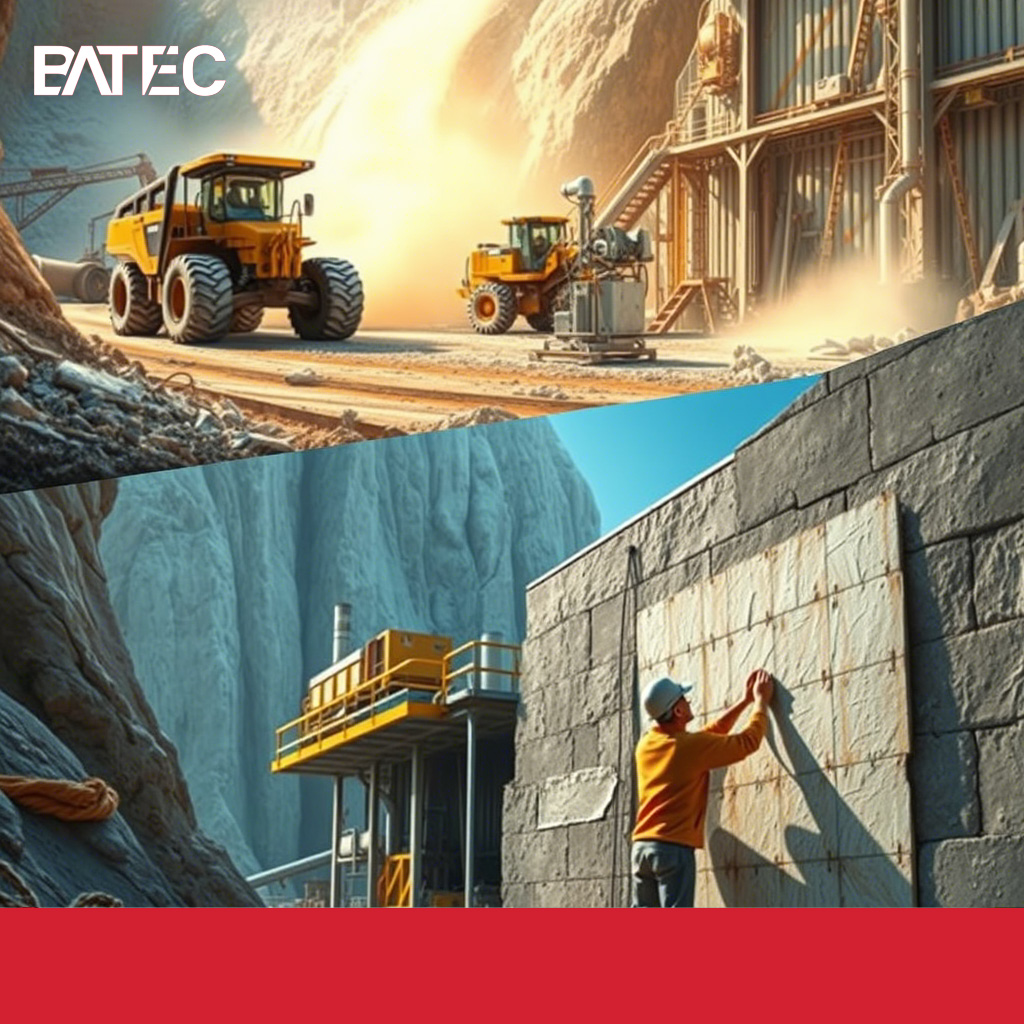
The lifecycle of gypsum products begins with extraction, where natural gypsum is mined using either open-pit or underground methods depending on the deposit depth and geological conditions. Once extracted, raw gypsum undergoes crushing, grinding, and calcination—where it is heated to remove chemically bound water and converted into hemihydrate form. This processed gypsum powder is then mixed with additives and water to form slurry, which is sandwiched between paper liners to create gypsum boards.
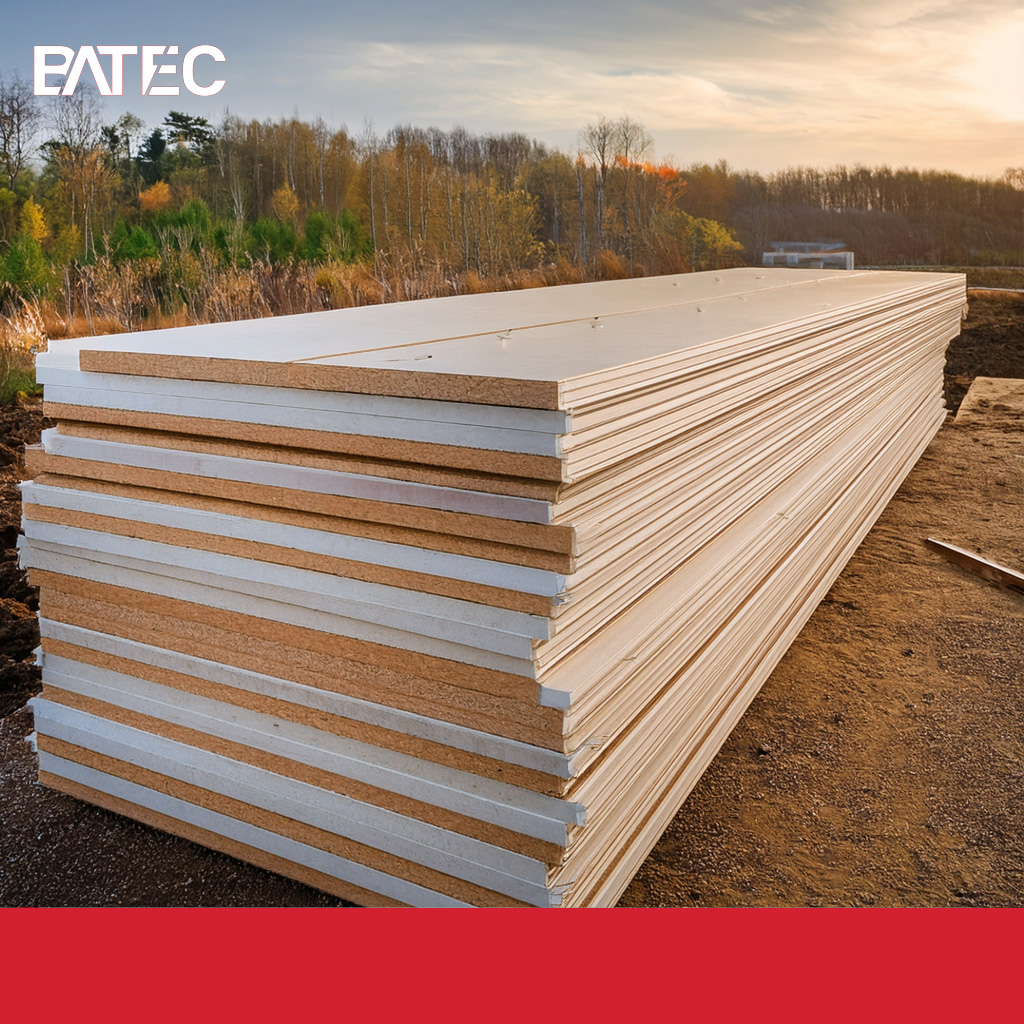
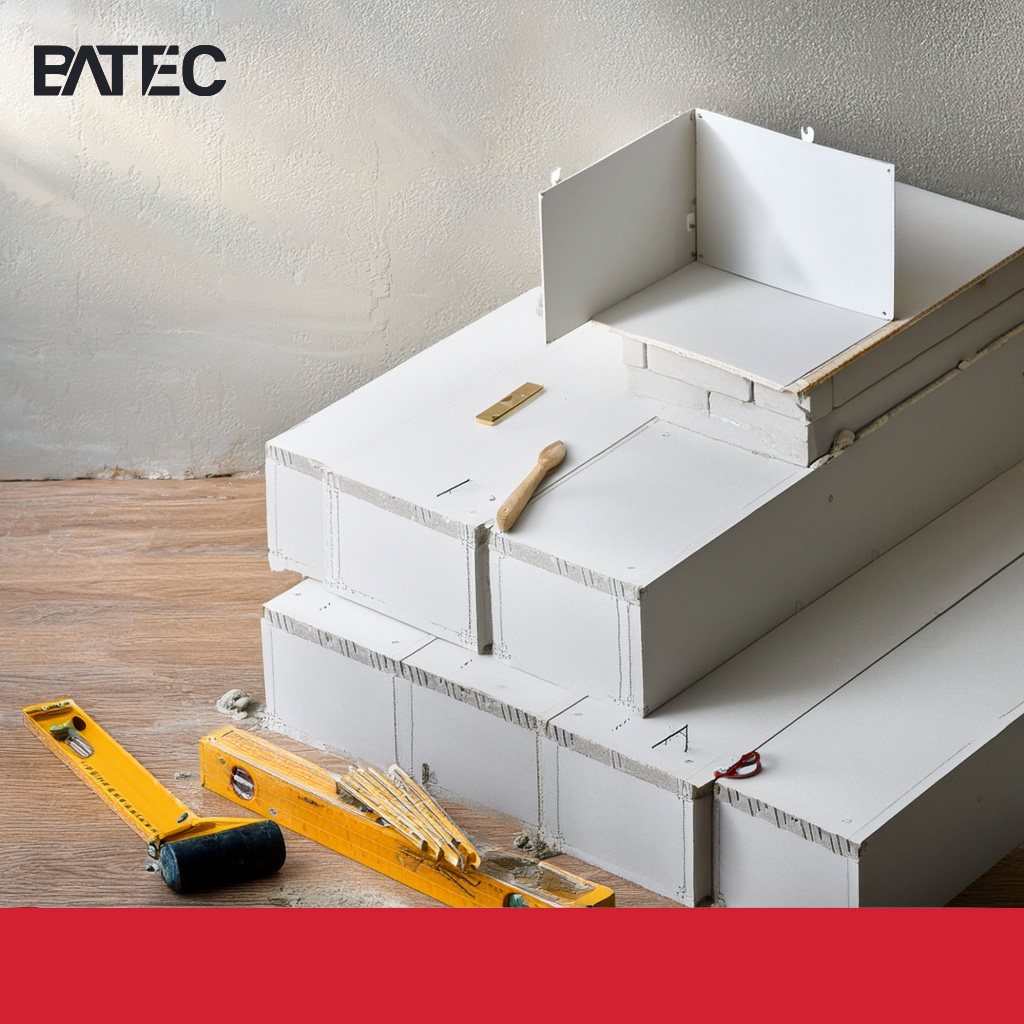
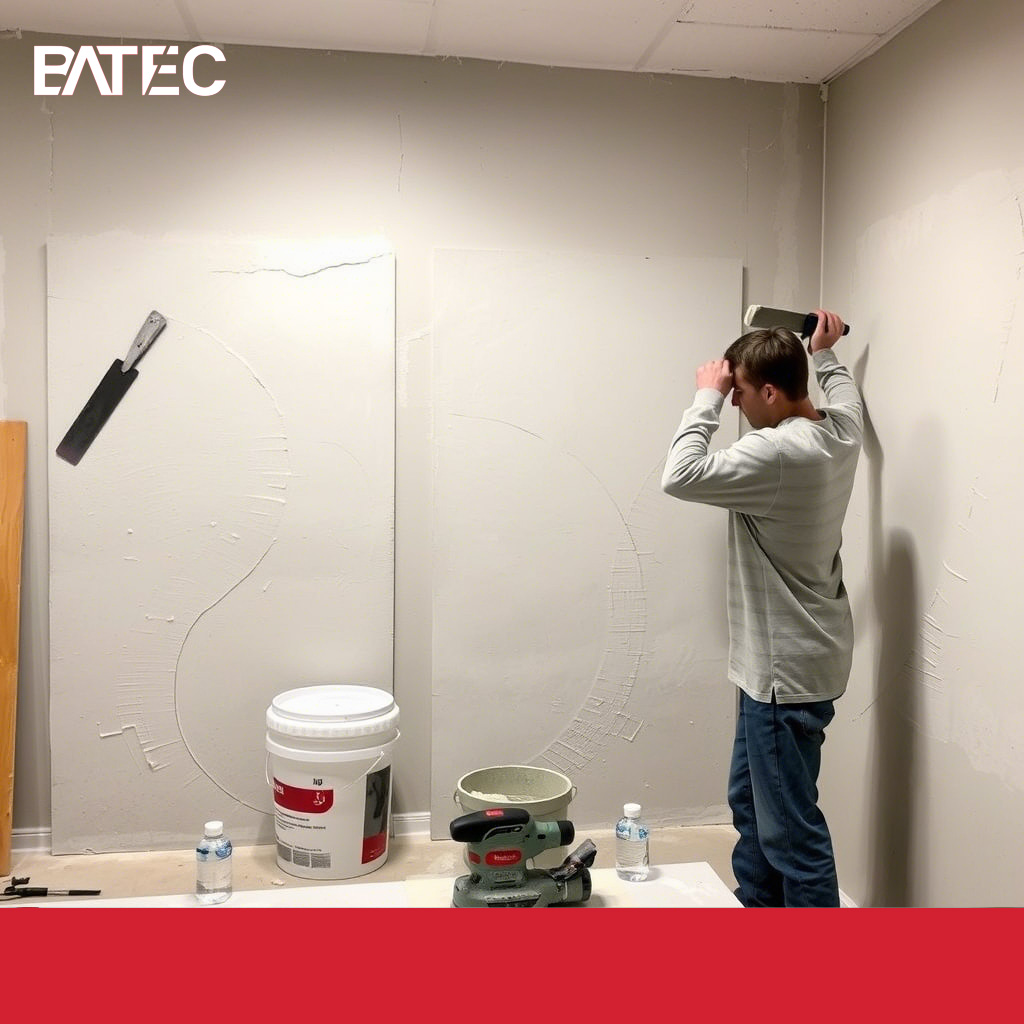
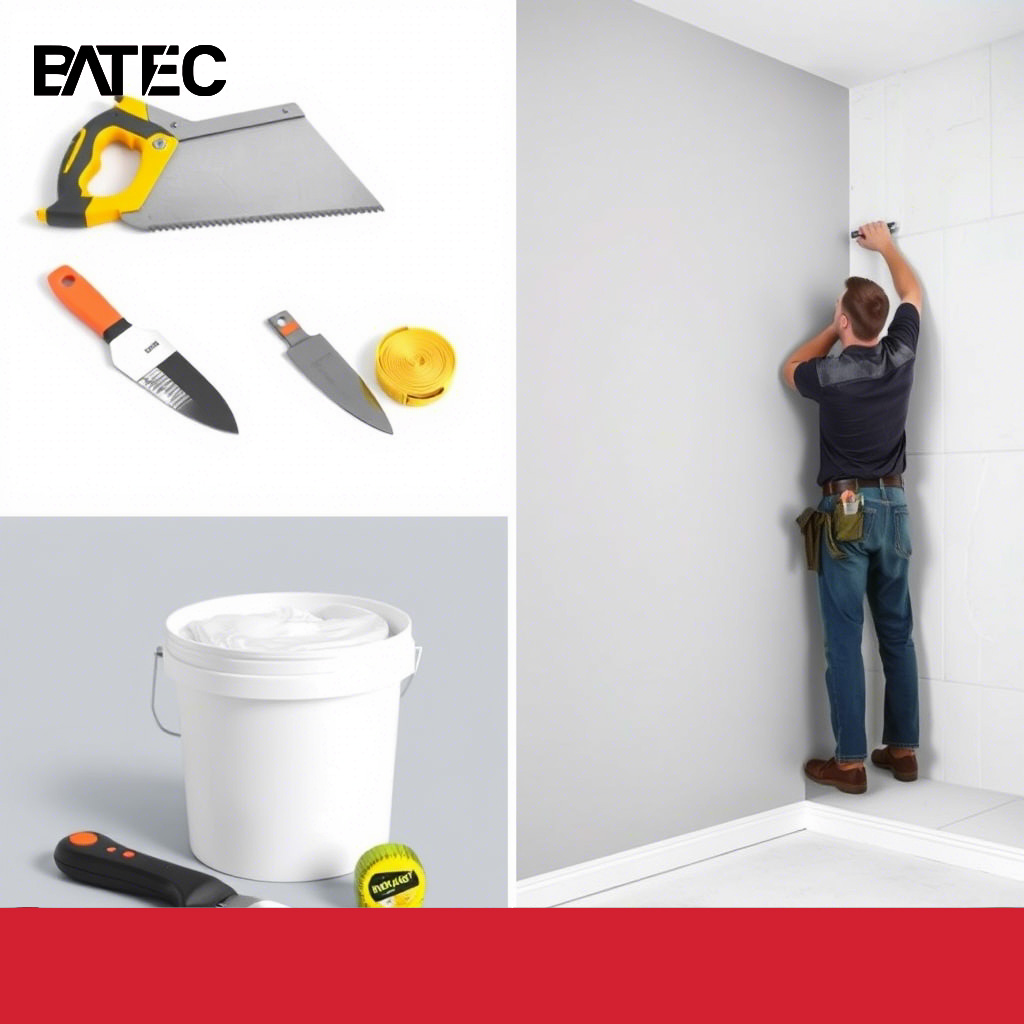
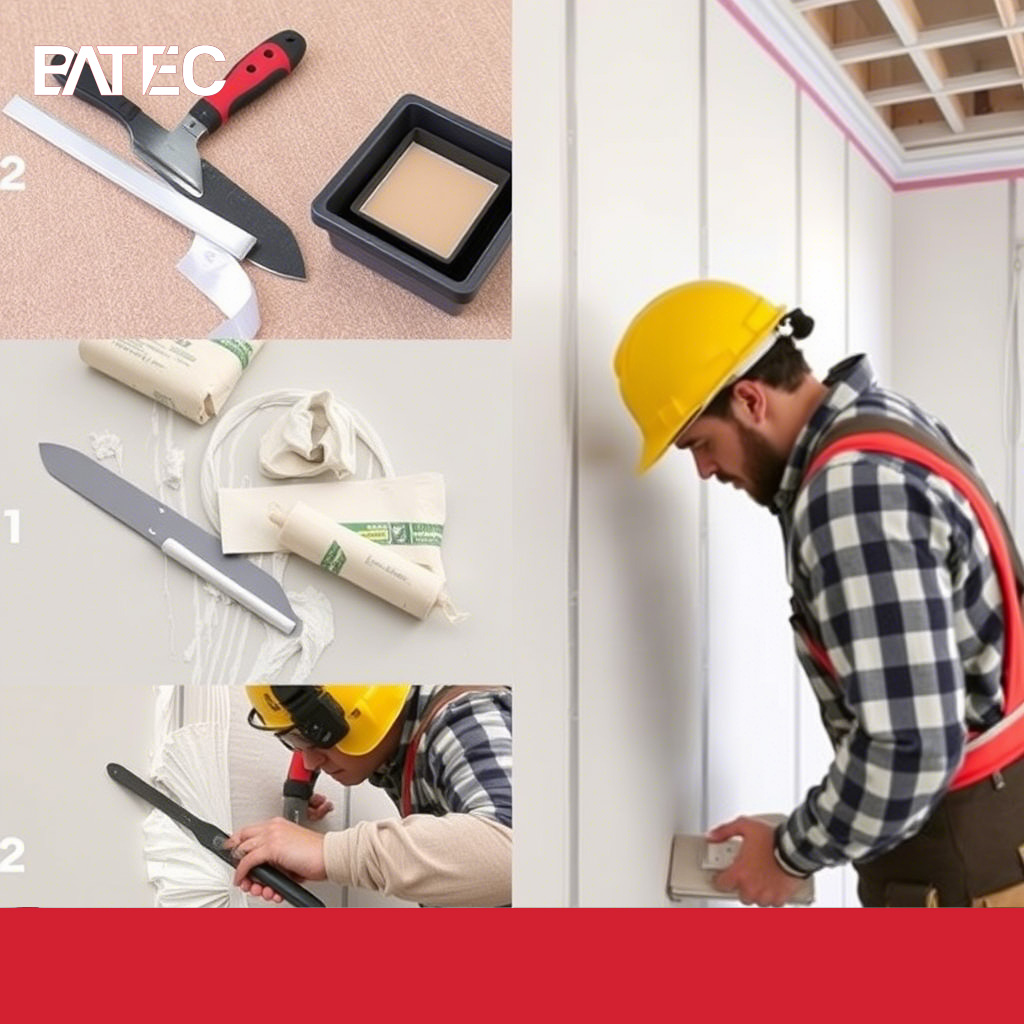
After manufacturing, gypsum boards are transported to construction sites where they are installed by professionals. During this phase, proper handling and storage are essential to prevent damage and ensure optimal performance. Installation typically involves cutting, fixing to metal or wooden studs, taping joints, and applying finishing compounds to create smooth surfaces ready for painting or decoration.
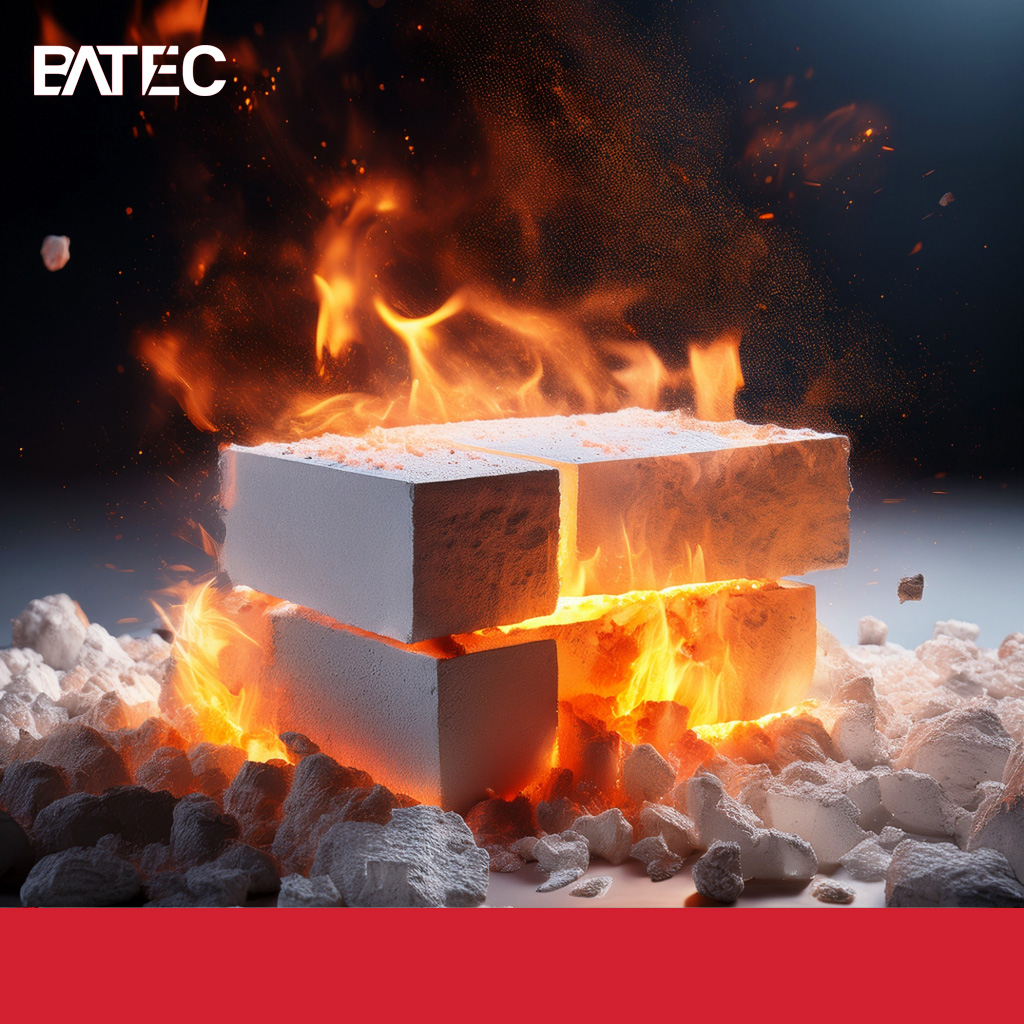
Once in use, gypsum products contribute to the functionality and aesthetics of interior spaces. Their fire-resistant and sound-absorbing qualities make them ideal for walls and ceilings in both residential and commercial settings. Additionally, their ability to regulate indoor humidity levels enhances occupant comfort and indoor air quality.
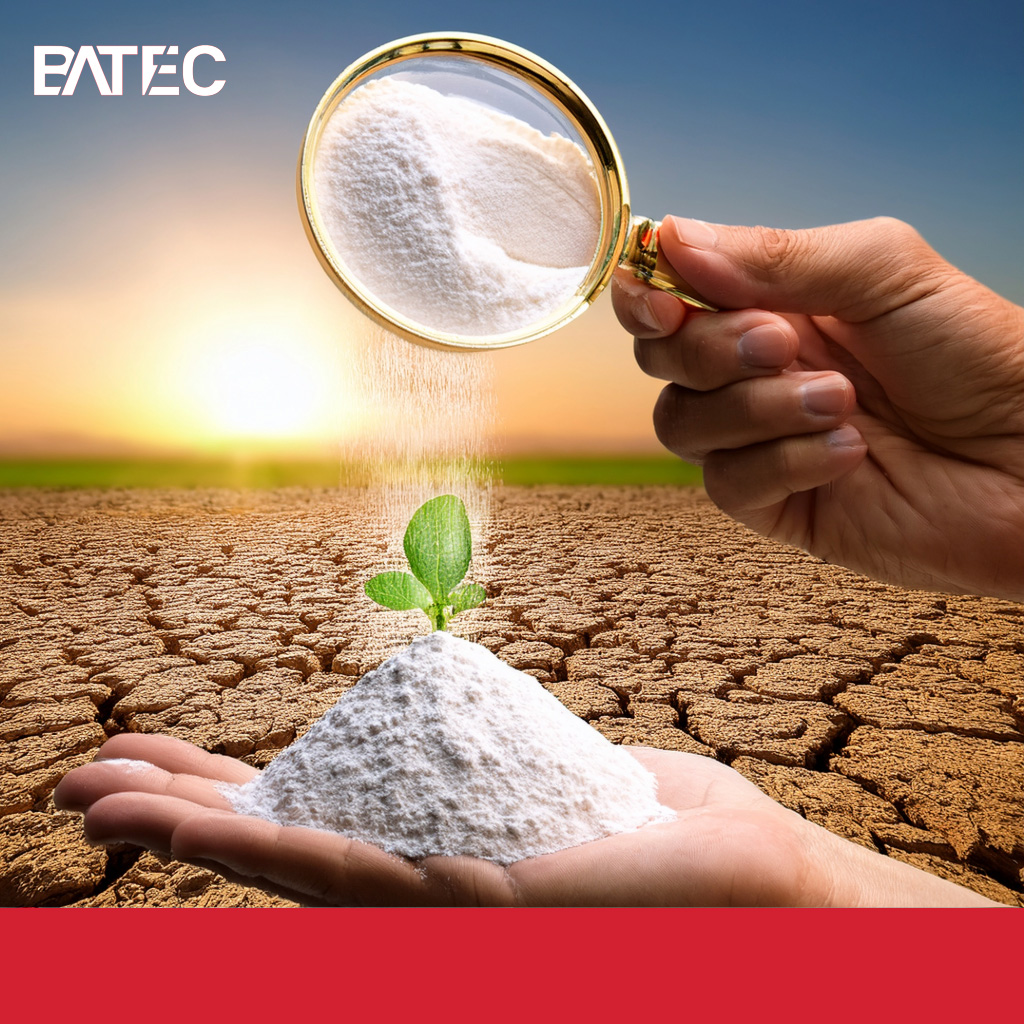
At the end of their useful life, gypsum products can be recycled through mechanical separation and processing, allowing the core gypsum to be reused in new boards or agricultural applications. Recycling initiatives are gaining traction globally, supported by regulations and industry-led programs aimed at minimizing waste and promoting circular economy principles in the construction sector.