Gypsum powder has become the preferred choice for modern plastering due to its superior performance characteristics compared to traditional lime- or cement-based plasters. It offers faster setting times, smoother finishes, reduced shrinkage, and better workability, making it suitable for both manual and machine-applied applications. These advantages have led to its widespread adoption in residential and commercial construction projects.
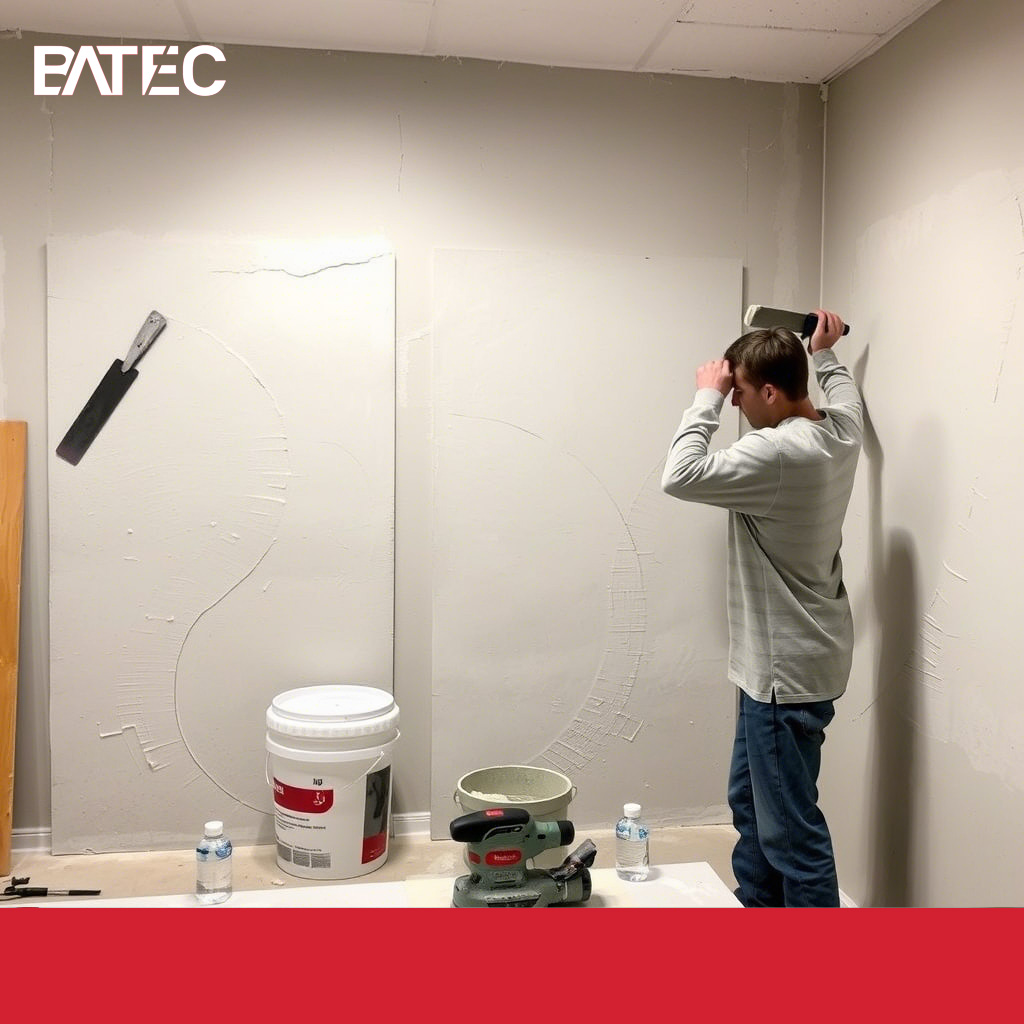
Machine-applied gypsum plastering is gaining popularity due to its efficiency and consistency. Automated systems allow for large-scale application with minimal labor, reducing costs and project timelines. This method ensures uniform thickness and significantly minimizes common issues like cracking and delamination associated with hand-plastered surfaces.
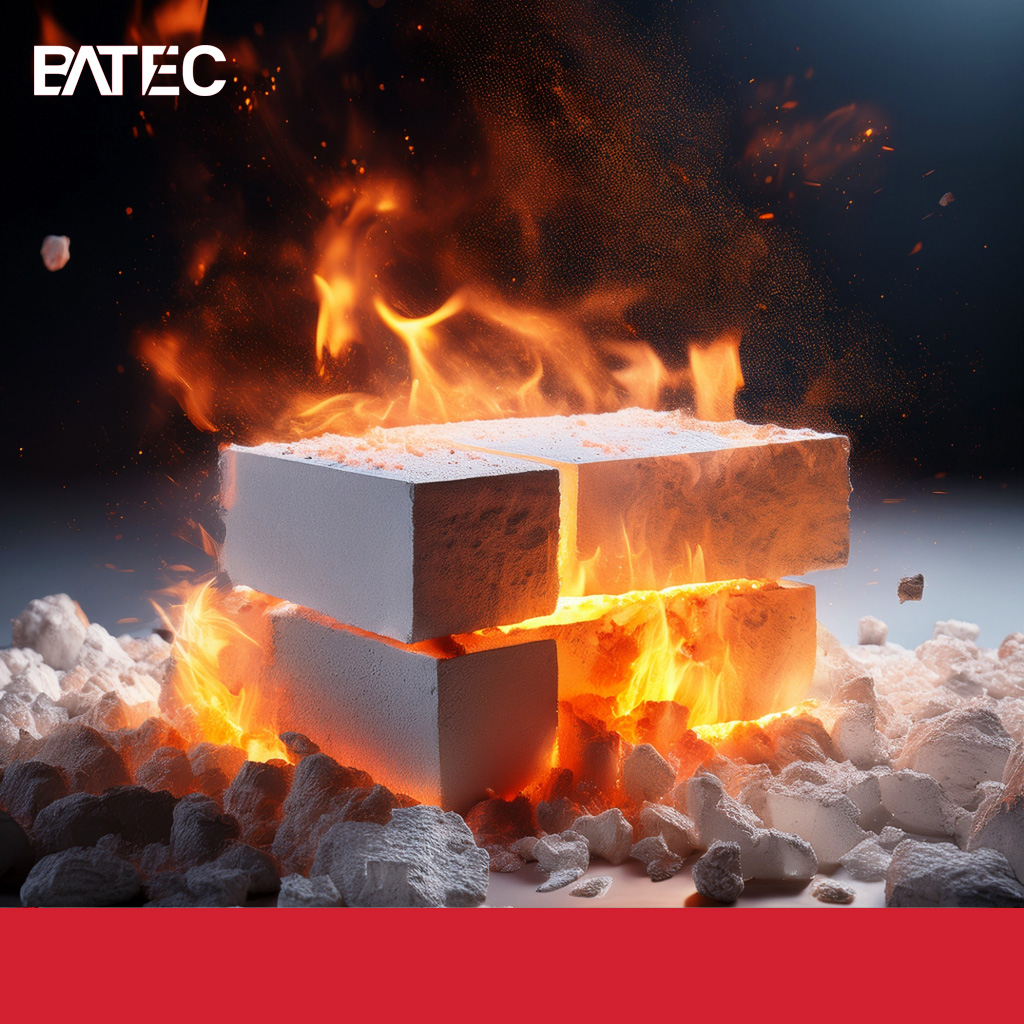
From a performance standpoint, gypsum plaster provides enhanced thermal and acoustic insulation, contributing to occupant comfort and energy efficiency. It also exhibits excellent fire resistance, forming a protective layer of water vapor when exposed to heat, which delays structural weakening. These attributes make it ideal for use in high-rise buildings, hotels, hospitals, and educational institutions.
Moreover, the health and safety benefits of gypsum plaster cannot be overlooked. Unlike cement plaster, it does not require extended curing periods. While any dry powder application involves dust, gypsum plaster generally contributes to improved working conditions due to its non-caustic nature compared to cement and accelerates the readiness of surfaces for painting or decoration, streamlining the overall construction process.