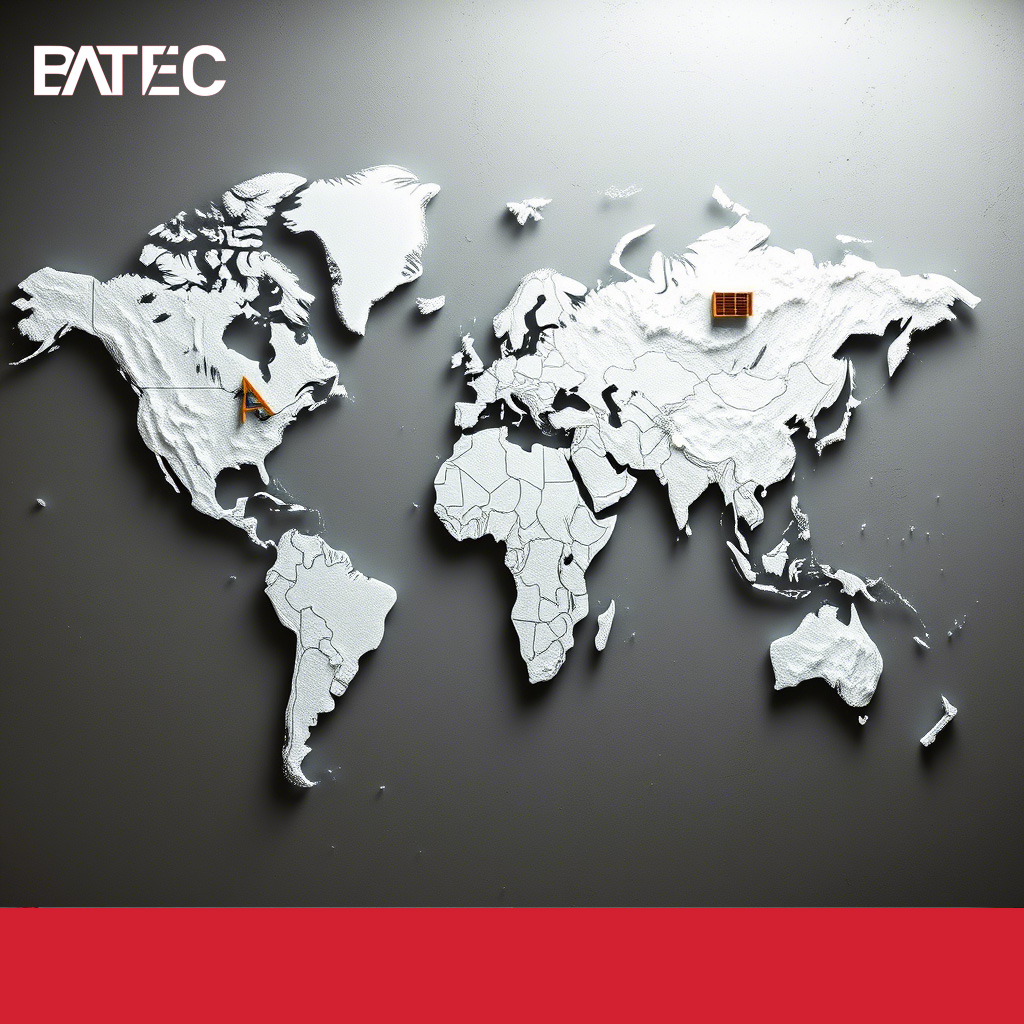
Drywall usage patterns vary significantly across different regions of the world, influenced by factors such as climate, prevailing regulatory standards, and established construction practices. Understanding these global shifts provides insight into the material’s evolving role in the built environment.
North America: Dominance and Specialization
In North America, drywall remains the dominant interior wall material. Its widespread adoption is primarily driven by its compatibility with traditional wood-framed structures and its cost-effective installation. A noticeable trend in this region is the growing preference for specialized moisture- and mold-resistant boards, particularly in humid climates like Florida and Texas, where these properties are crucial for building longevity and occupant health.
Europe: Performance and Sustainability Leadership
Europe has witnessed increased adoption of high-performance drywall solutions, with a strong emphasis on fire-rated and acoustic boards. This is especially true in multi-family housing projects and large-scale public infrastructure. Countries like Germany and Sweden are at the forefront of sustainability efforts, actively promoting the use of recycled gypsum content and low-VOC (volatile organic compound) finishes. The European Gypsum Association notably reports that over 50% of gypsum waste in Europe is now being recycled, significantly contributing to circular economy goals.
Middle East & GCC: Rapid Modernization
In the Middle East and Gulf Cooperation Council (GCC) countries, drywall is rapidly gaining traction as part of extensive urbanization and modernization efforts across the region. Batec Group, established in 2018, has emerged as a key player, becoming Syria’s first gypsum board manufacturer and now strategically expanding its reach into Iraq and Libya. The UAE and Saudi Arabia are increasingly adopting international standards for fire safety and indoor air quality, influencing the widespread specification of high-performance drywall products. High-rise residential towers and luxury hotels increasingly use lightweight drywall systems to speed up construction timelines. Batec’s commitment to “Global Standards, Regional Delivery” is a core tenet, meaning their gypsum boards and powders are developed in line with European (EN 520) and American (ASTM C1396) quality benchmarks but are produced regionally. This approach effectively reduces lead times, cuts logistical complexities, and supports local economies, which is crucial for the rapid and robust development across the Middle East.
Asia: Growth and Green Initiatives
Meanwhile, in Asia, particularly in fast-developing economies like China and India, drywall adoption is steadily rising, though it still lags behind traditional plastering methods in many areas. Government initiatives aimed at promoting green building certifications, such as LEED and GRIHA, are actively encouraging the use of eco-friendly drywall alternatives. As modular construction gains popularity across the continent, drywall is expected to become an increasingly standard component in prefabricated building systems, further boosting its market penetration.