Sustainability is no longer an optional consideration in construction; it has become a fundamental necessity. In response, drywall manufacturers are actively developing and promoting eco-friendly products that significantly reduce environmental impact throughout the material’s entire lifecycle.
Eco-Friendly Materials and Formulations
A key focus is on producing recycled-content drywall, which is now widely available. Made from post-consumer or post-industrial gypsum, these boards perform as effectively as conventional drywall while conserving virgin resources.
To further improve indoor environmental quality, the industry is increasingly adopting low-VOC (volatile organic compound) joint compounds and adhesives. Many brands now also offer formaldehyde-free core formulations and paper facings made from renewable resources. These advancements cater directly to the requirements of green building certifications like LEED (Leadership in Energy and Environmental Design) and WELL, which prioritize healthy and sustainable indoor environments. Batec Group, for example, emphasizes the use of environmentally friendly and recyclable materials in their product formulations, aligning with these crucial global sustainability trends and ensuring compliance with relevant standards.
Expanding Recycling Programs
Recycling programs for construction and demolition (C&D) gypsum waste are expanding globally. This is crucial because traditional landfilling of gypsum can lead to the production of toxic and odorous hydrogen sulfide gas when gypsum reacts with organic matter under anaerobic conditions.
In the European Union, strict landfill regulations have been a driving force behind widespread gypsum recycling, leading to impressive rates.
In the U.S., organizations like Gyp Eco (part of New West Gypsum Recycling) and Greenboard Recycling are establishing extensive collection networks to divert vast quantities of drywall from landfills.
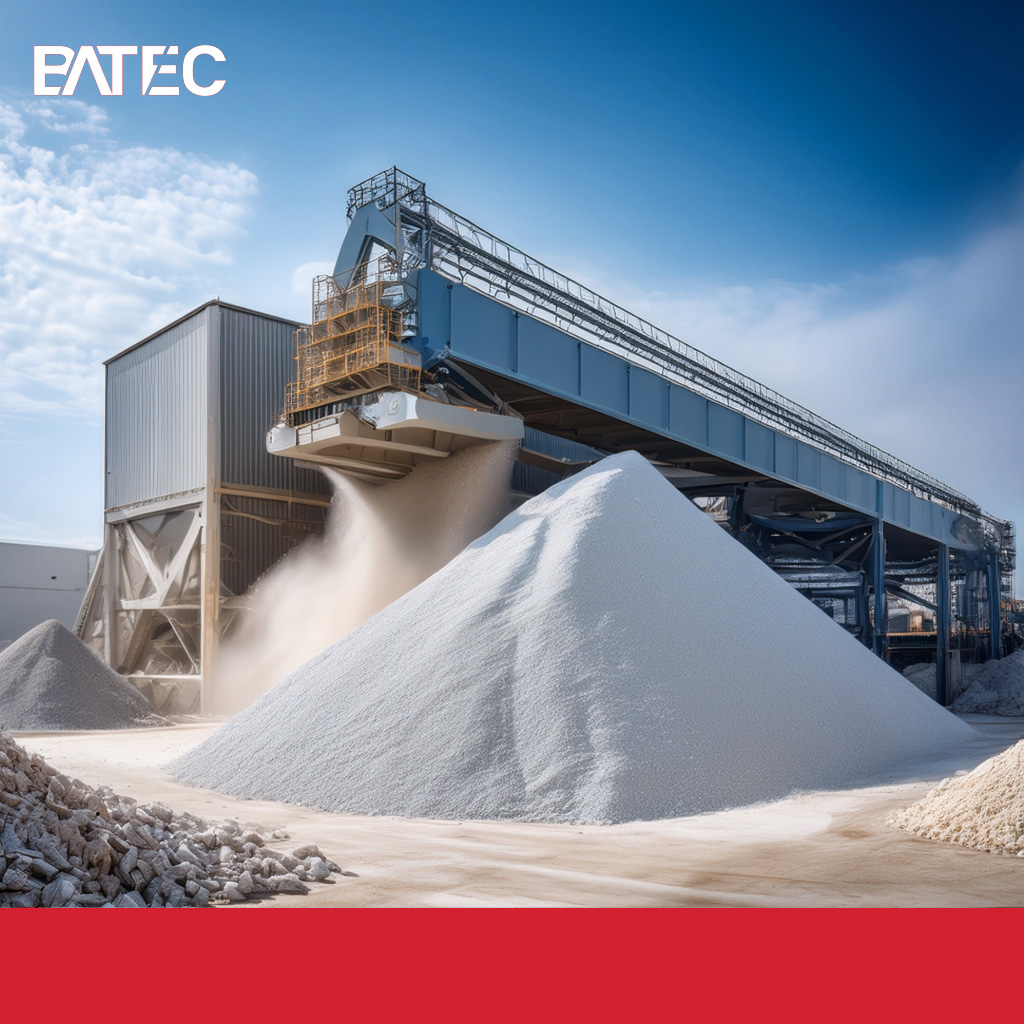
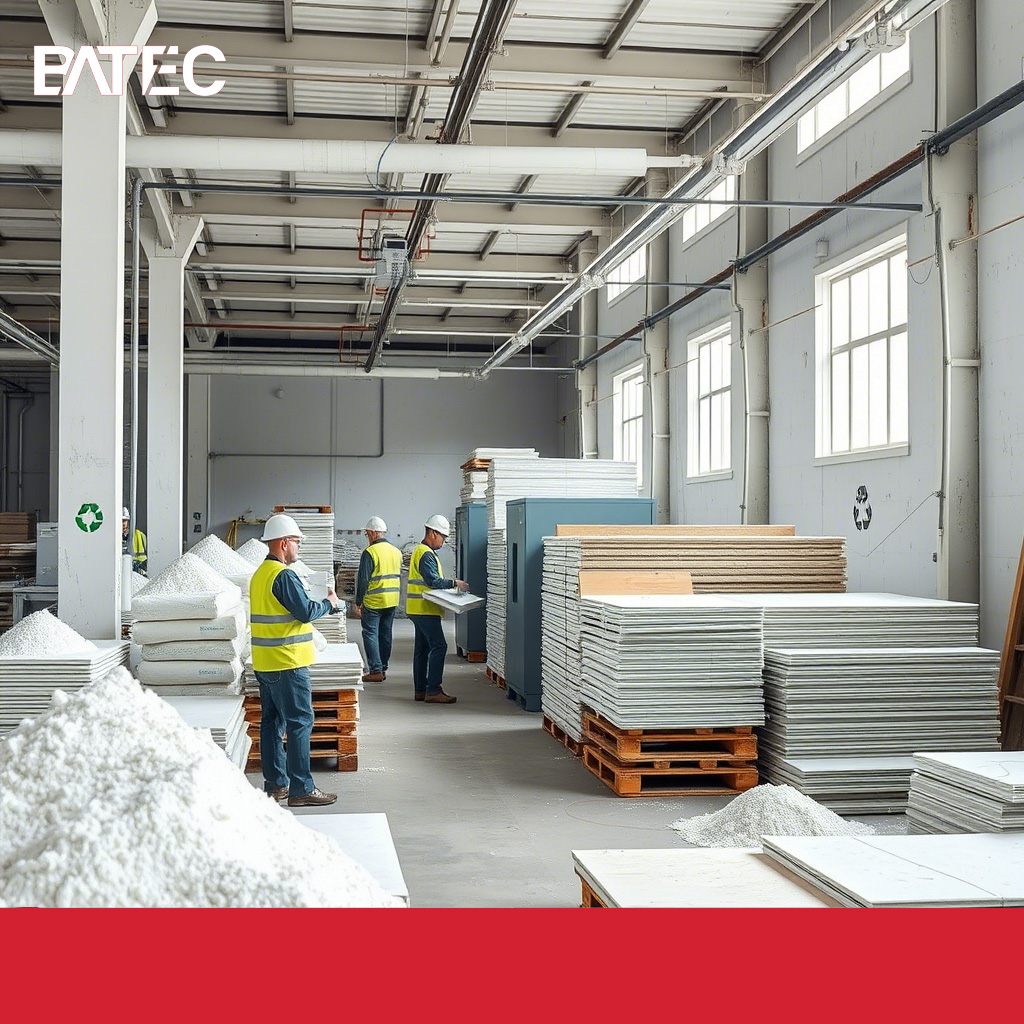
These dedicated facilities efficiently separate clean gypsum from common contaminants (like paper, paint, and adhesives) and reprocess it. The recovered gypsum can then be used in the production of new drywall boards or as an agricultural soil amendment.
Promoting Reuse
Reusing whole drywall panels is also gaining traction, particularly in renovation and deconstruction projects. Salvaged drywall, if in good condition, can be repurposed for non-critical areas like garage walls or temporary structures, effectively extending the material’s useful life cycle.
By embracing these comprehensive approaches—from eco-friendly material formulations and robust recycling infrastructure to the promotion of direct reuse—stakeholders in the construction industry are significantly reducing their environmental footprint. This collective effort actively supports the transition to a more circular and responsible built environment, where waste is minimized and resources are conserved.