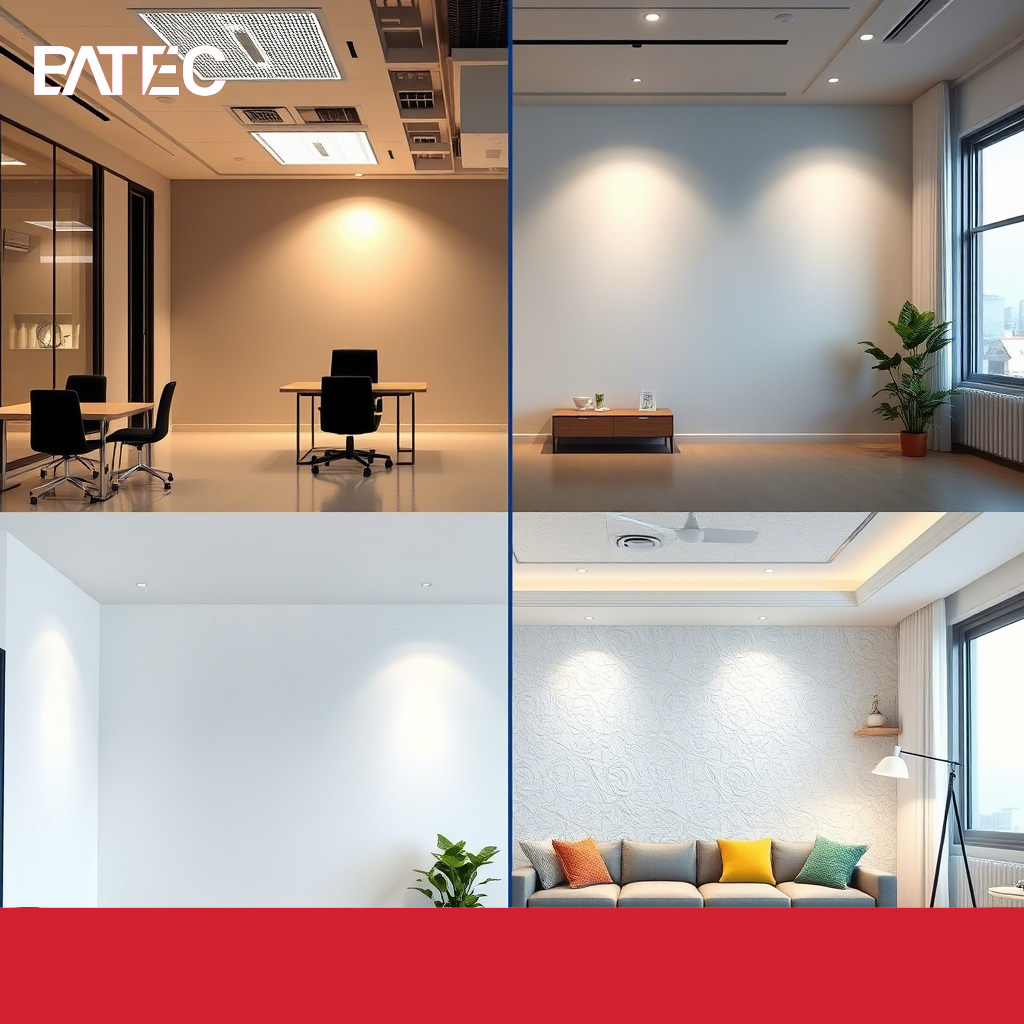
While drywall is used extensively in both residential and commercial construction, its specific application, performance requirements, and design considerations differ significantly based on the building’s function, durability needs, and regulatory mandates.
Residential Applications
In residential settings, drywall is primarily chosen for its:
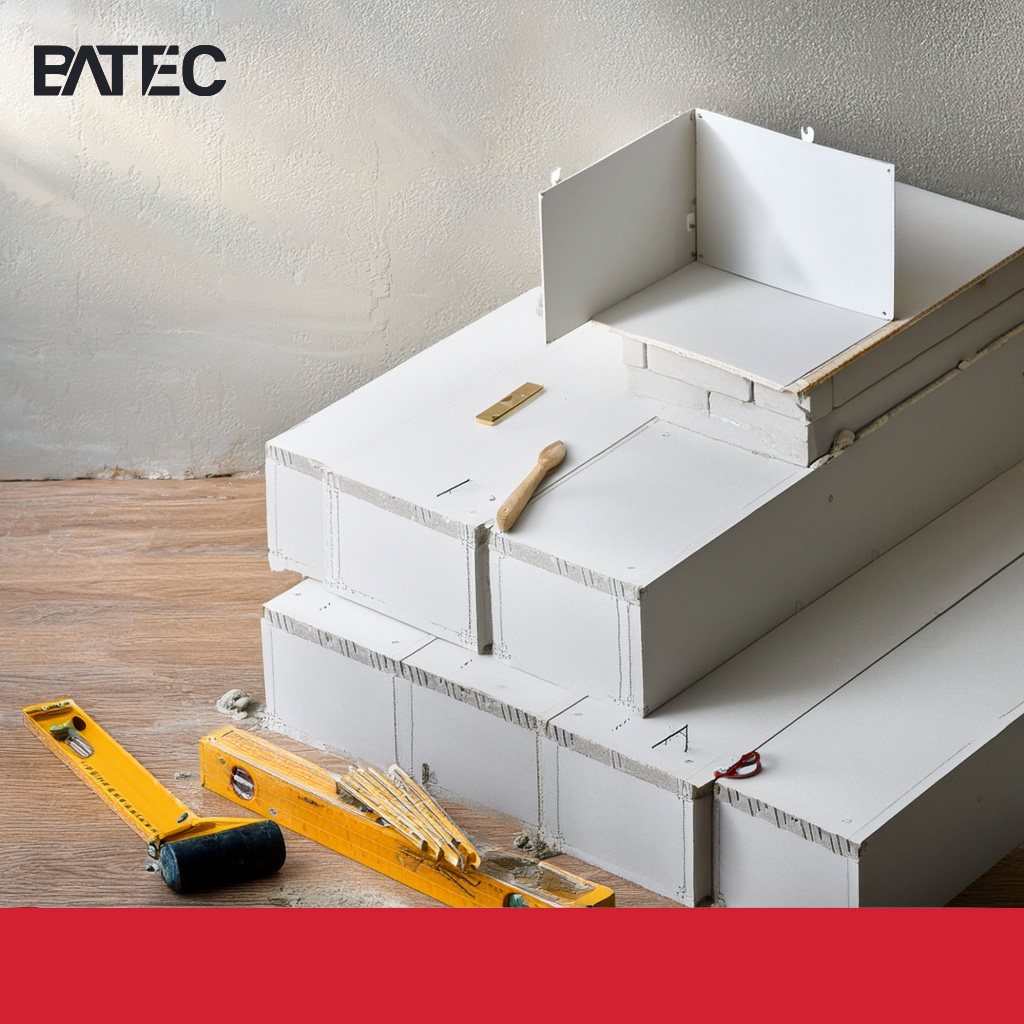
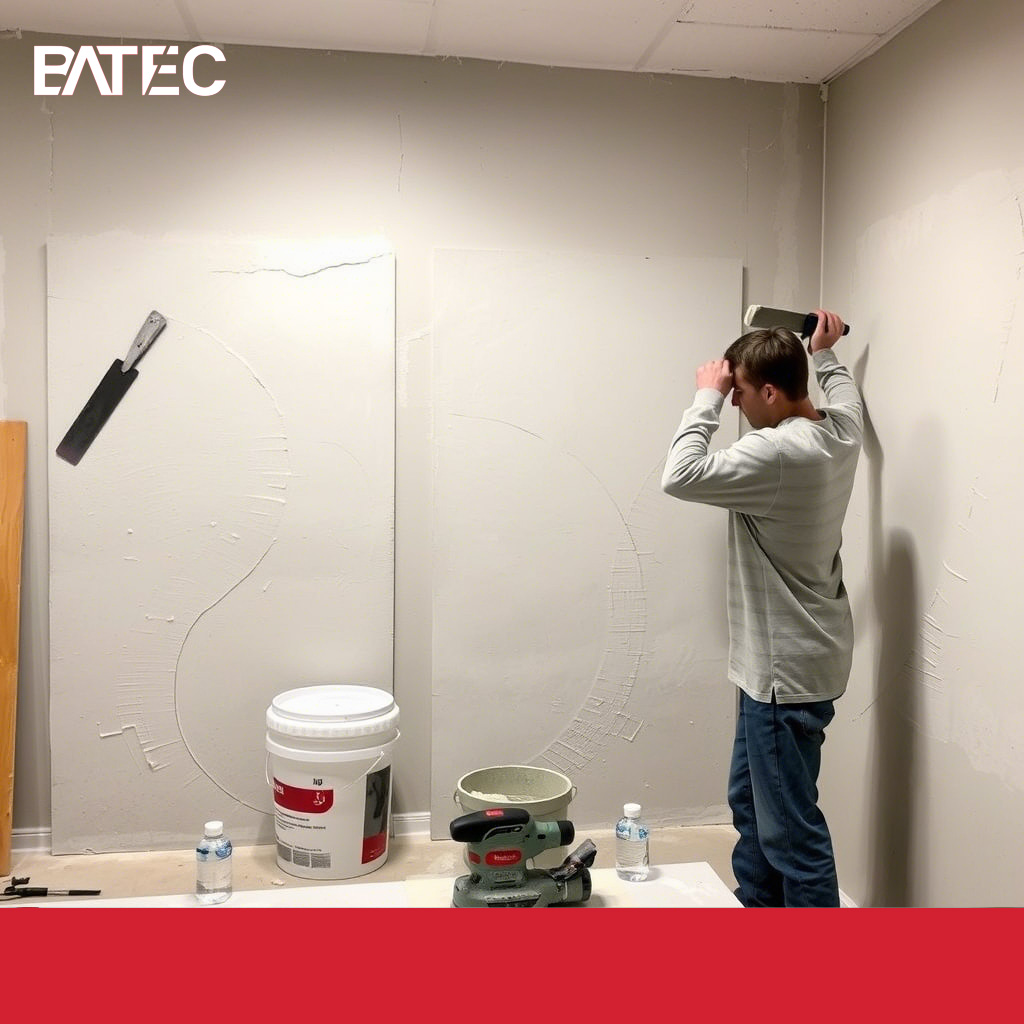
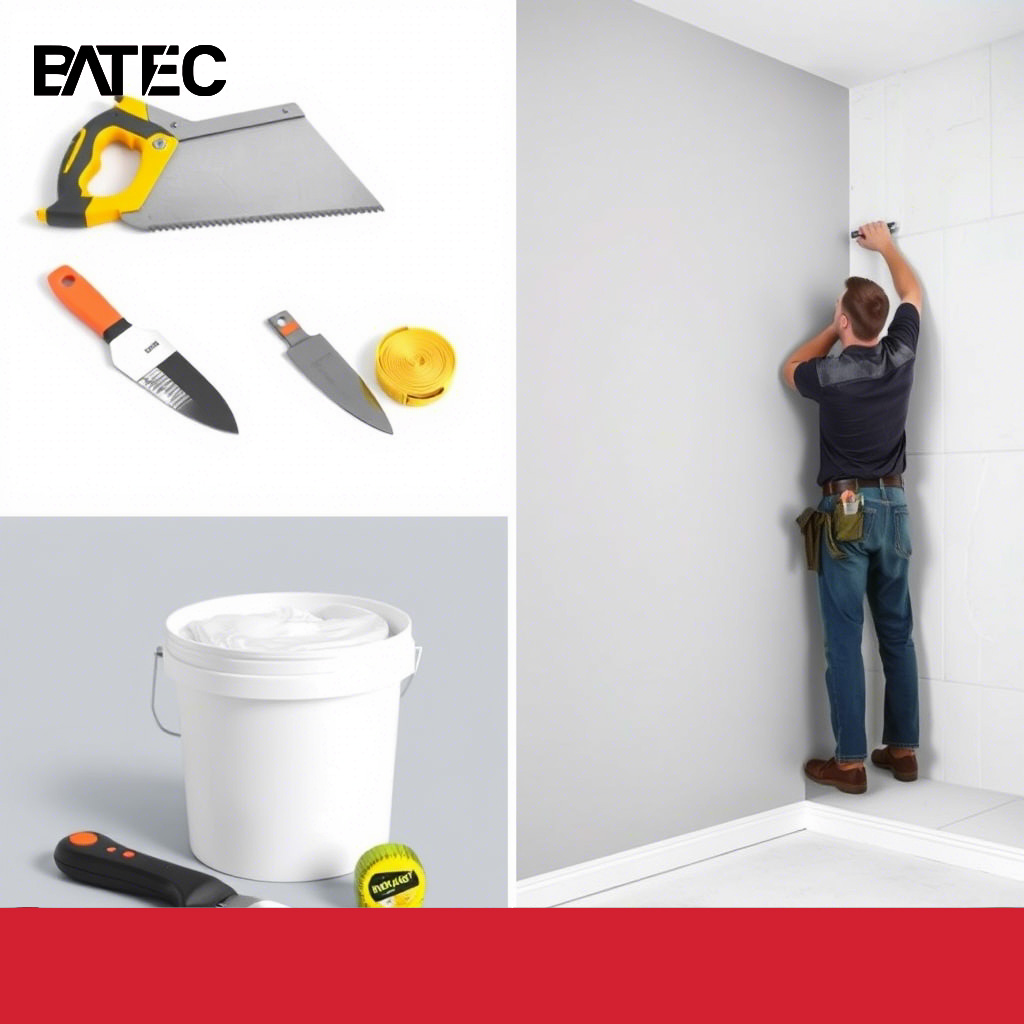
Ease of Installation: Making it accessible for both professionals and DIY enthusiasts.
Cost-Effectiveness: Providing an affordable solution for interior finishes.
Adaptability: Easily accommodating future modifications or aesthetic changes.
Homeowners typically prioritize lightweight, easy-to-paint boards. There’s also a growing interest in specialized soundproofing boards for enhanced acoustic comfort and moisture-resistant variants for high-humidity areas like bathrooms, kitchens, and basements.
Commercial Applications
In commercial environments—such as office buildings, schools, and hospitals—drywall must adhere to much stricter performance and regulatory standards:
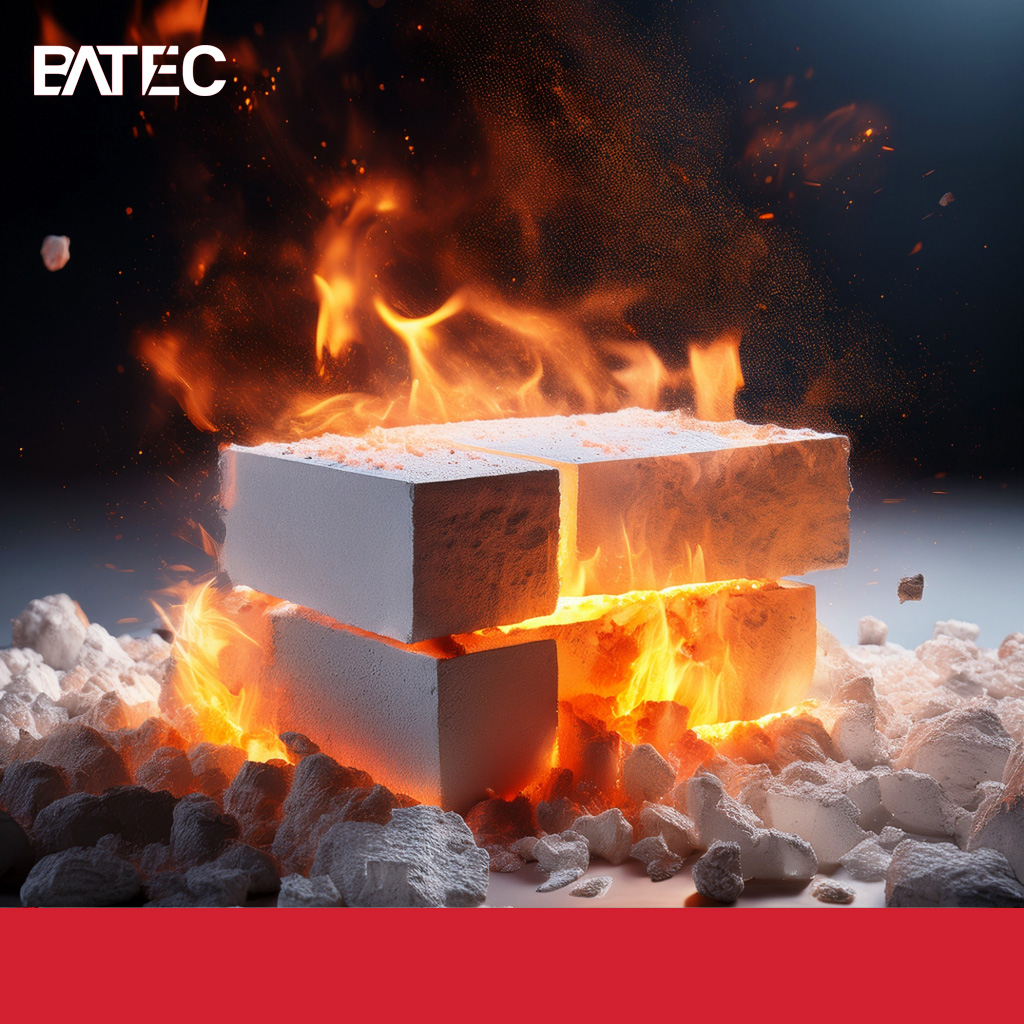
Fire Safety: Fire-rated boards are commonly specified for corridors, stairwells, and shared spaces to comply with stringent building codes and ensure occupant safety. Batec Group’s BATEC Fire-Resistant Boards (BATEC Gboard FR) are engineered specifically for high-risk environments, offering extended structural integrity and flame spread control crucial for commercial fire safety compliance.
Acoustic Performance: Acoustic drywall is frequently used in conference rooms, classrooms, and learning centers to minimize noise transmission and create more productive or healing environments.
Durability and Hygiene: Antimicrobial and washable finishes are preferred in healthcare and food service facilities, where surfaces must withstand frequent cleaning and maintain high hygiene standards. Batec’s Moisture-Resistant Boards (BATEC Gesso MR H2), designed for damp-prone environments, also contribute to hygiene by helping to prevent mold and mildew growth in areas like commercial kitchens and bathrooms.
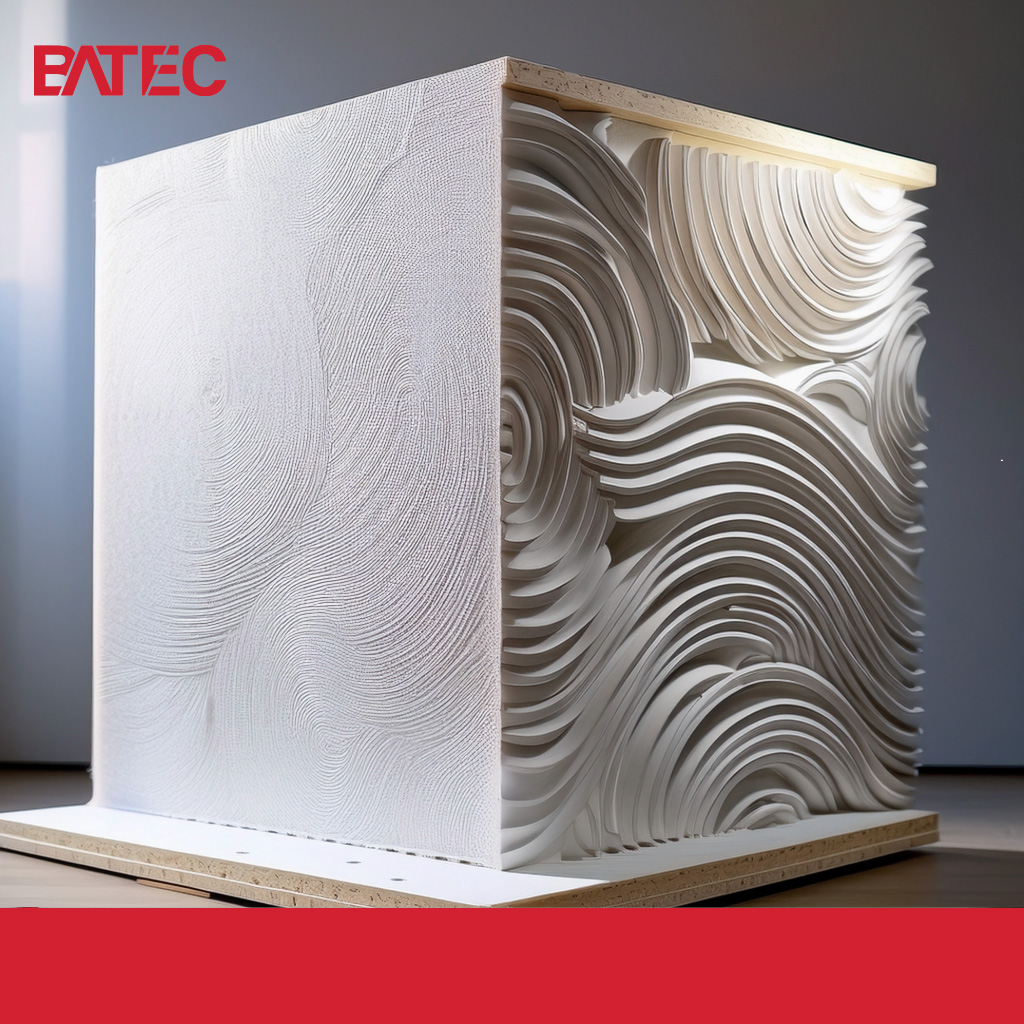
Retail and hospitality sectors leverage drywall’s versatility to create unique and branded environments. Custom shapes, intricate textures, and integrated lighting are expertly used to craft immersive experiences that define a brand’s identity and appeal to customers. In modern co-working spaces, the flexibility of movable drywall partitions allows for dynamic layouts that can be easily reconfigured to adapt to changing tenant needs or collaboration styles.
Despite these distinct application profiles, cross-sector trends like sustainability, modularity, and smart integration are increasingly blurring the lines between residential and commercial applications. As drywall technology continues to evolve, it remains a foundational and highly adaptable material, capable of meeting the diverse architectural and functional demands of nearly any building type.