Modular construction is fundamentally reshaping the way drywall is utilized in modern building projects, offering a path to faster, more consistent, and often more sustainable construction.
The Power of Off-Site Manufacturing
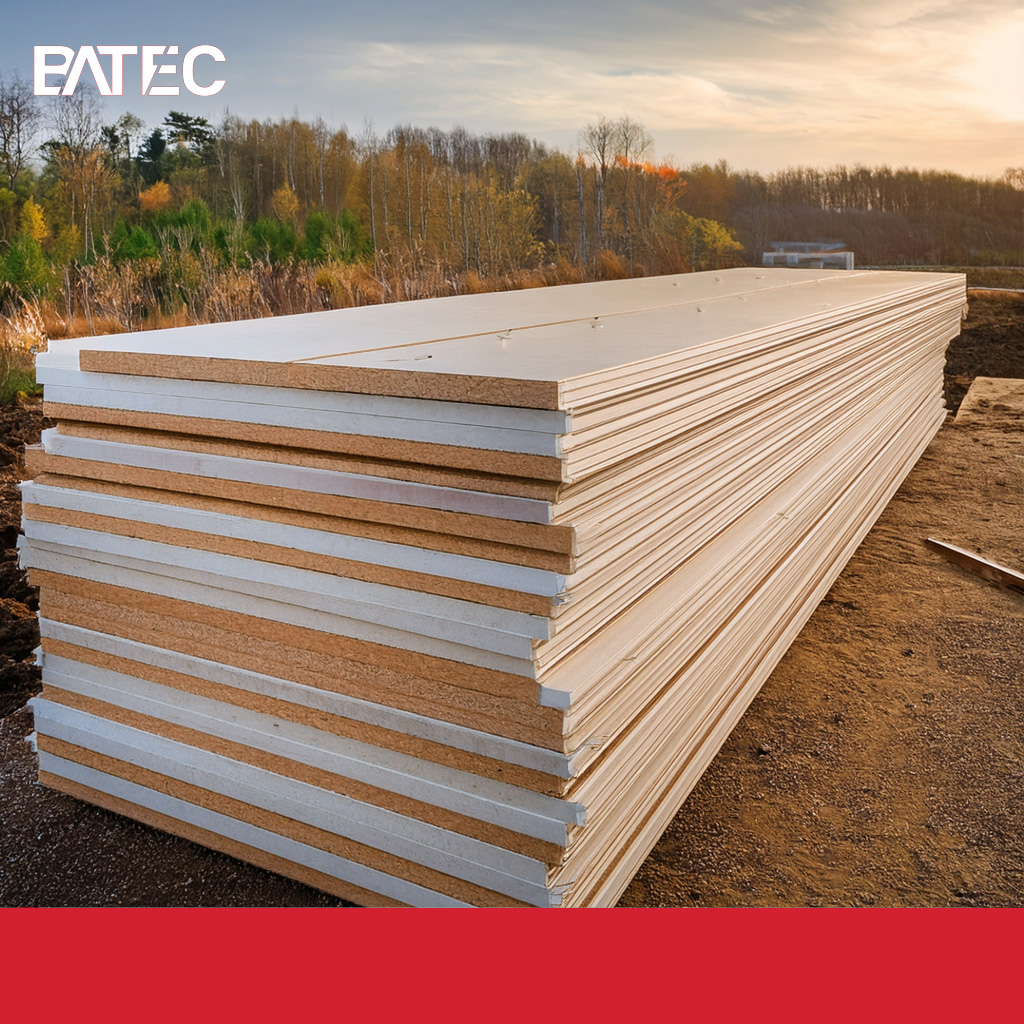
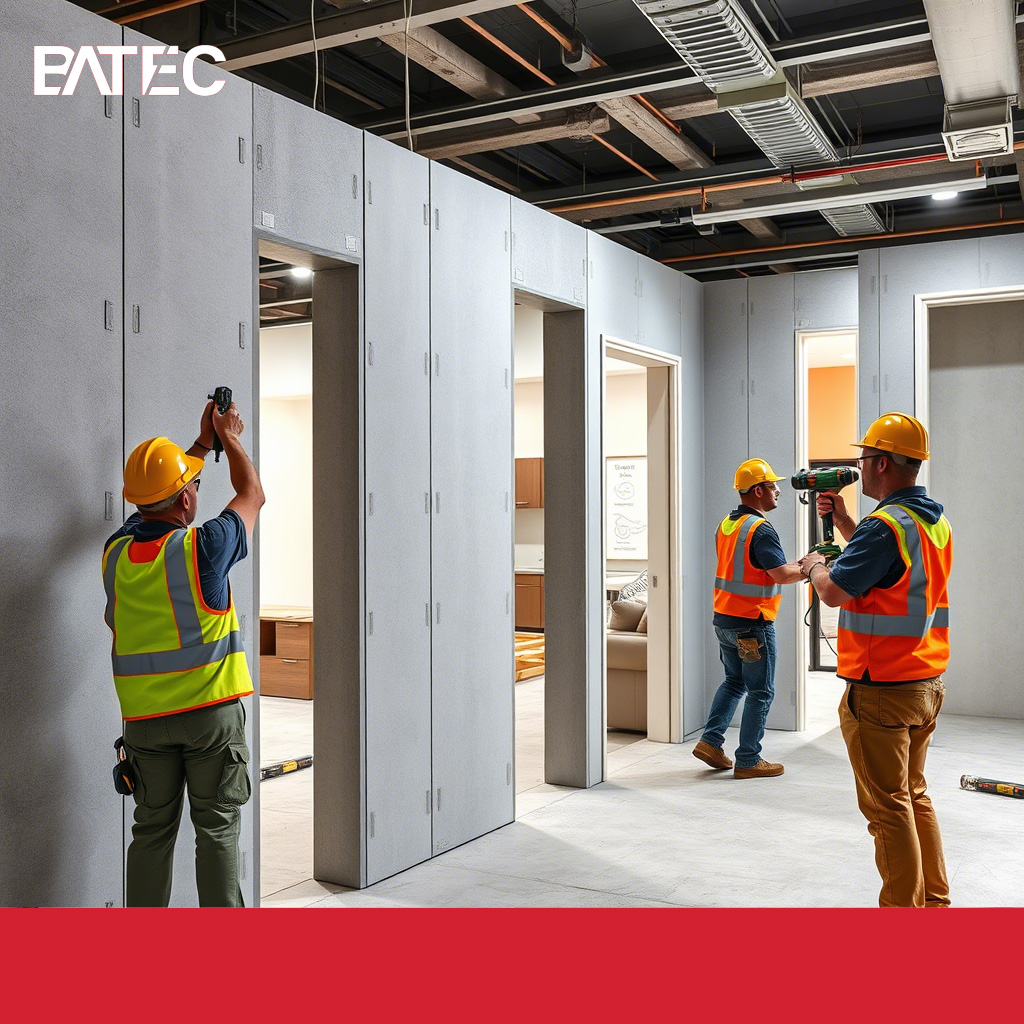
Prefabricated drywall panels are manufactured off-site in controlled factory environments. This method offers several distinct advantages:
- Reduced On-Site Labor: Less work needed on the construction site.
- Minimized Weather Delays: Production is unaffected by adverse weather conditions.
- Improved Quality Control: Manufacturing in a controlled setting leads to higher and more consistent build quality.
- Once manufactured, these panels are transported to the construction site and installed rapidly, significantly accelerating project timelines.
Integrated Customization and Efficiency
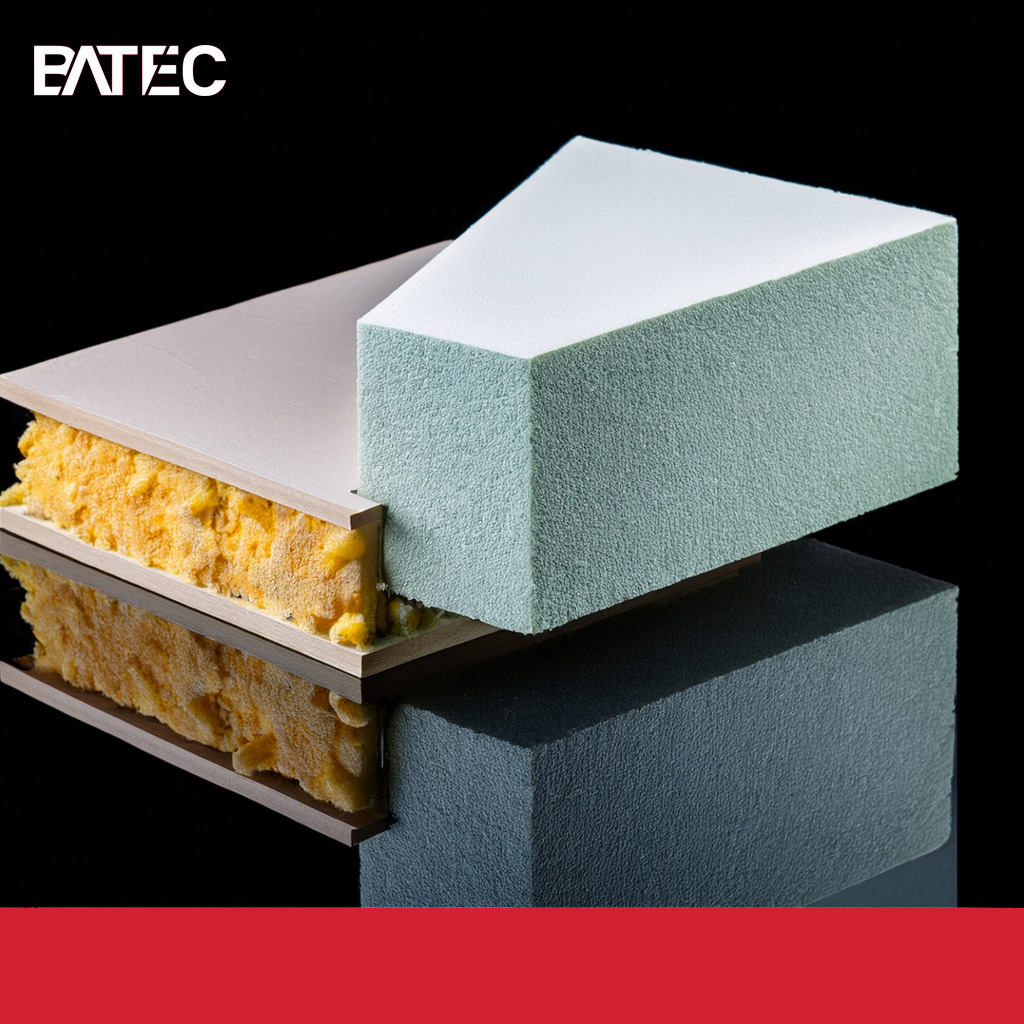
Prefabrication allows for an unprecedented level of customization and integration. Panels can arrive at the job site pre-equipped with:
- Electrical conduits
- Insulation
- Even pre-applied finishes
This level of integration is particularly beneficial in large-scale developments such as hotels, hospitals, and student housing, where consistency, precision, and efficiency are paramount for successful project delivery.
Pioneering Examples and Global Adoption
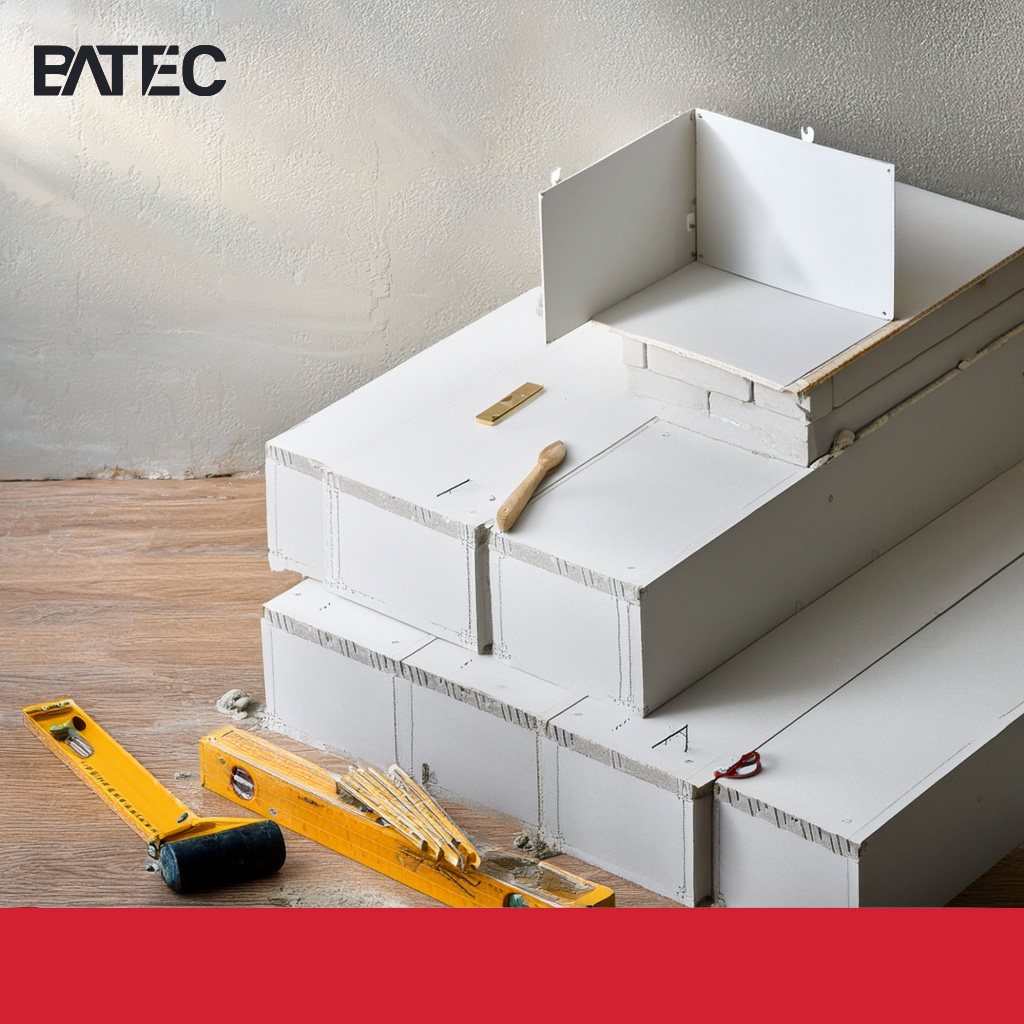
In the U.S., companies like Katerra (though now defunct, its influence on modular methods remains) and DIRTT (Doing It Right This Time) have been pioneers in implementing modular drywall systems, particularly in commercial interiors. These systems often feature interlocking panels that require minimal field adjustments, further accelerating project timelines. In Europe, modular drywall is increasingly being utilized in the retrofitting of older buildings, helping them efficiently meet modern energy codes and accessibility standards without extensive on-site disruption.
Sustainability and the Circular Economy
As sustainability gains increasing priority in construction, modular drywall systems also support key circular economy principles. Panels can be designed for easy disassembly and potential reuse. With proper labeling and tracking throughout their lifecycle, it becomes significantly easier to recover and repurpose these materials in future projects. Faced with growing pressure to reduce carbon footprints and construction waste, modular drywall systems are proving to be a scalable and effective solution for the future of building.