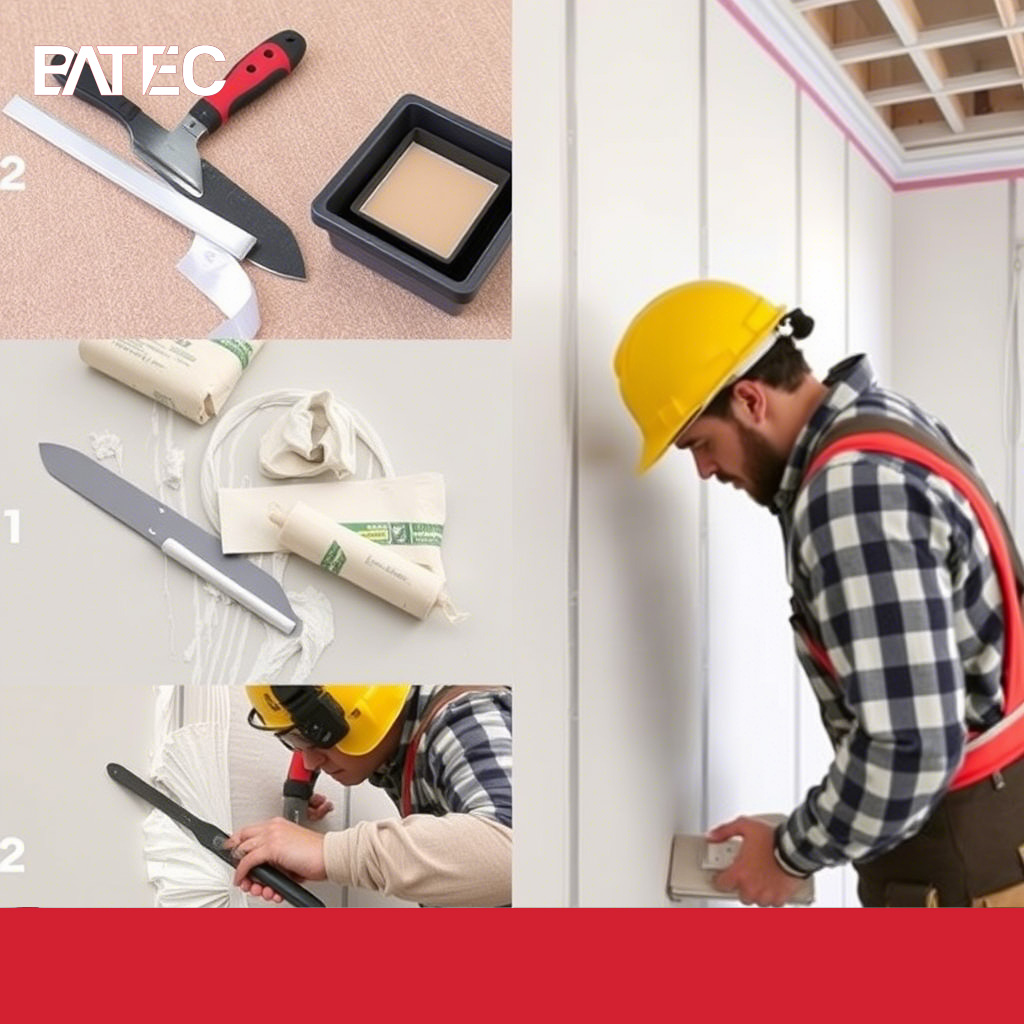
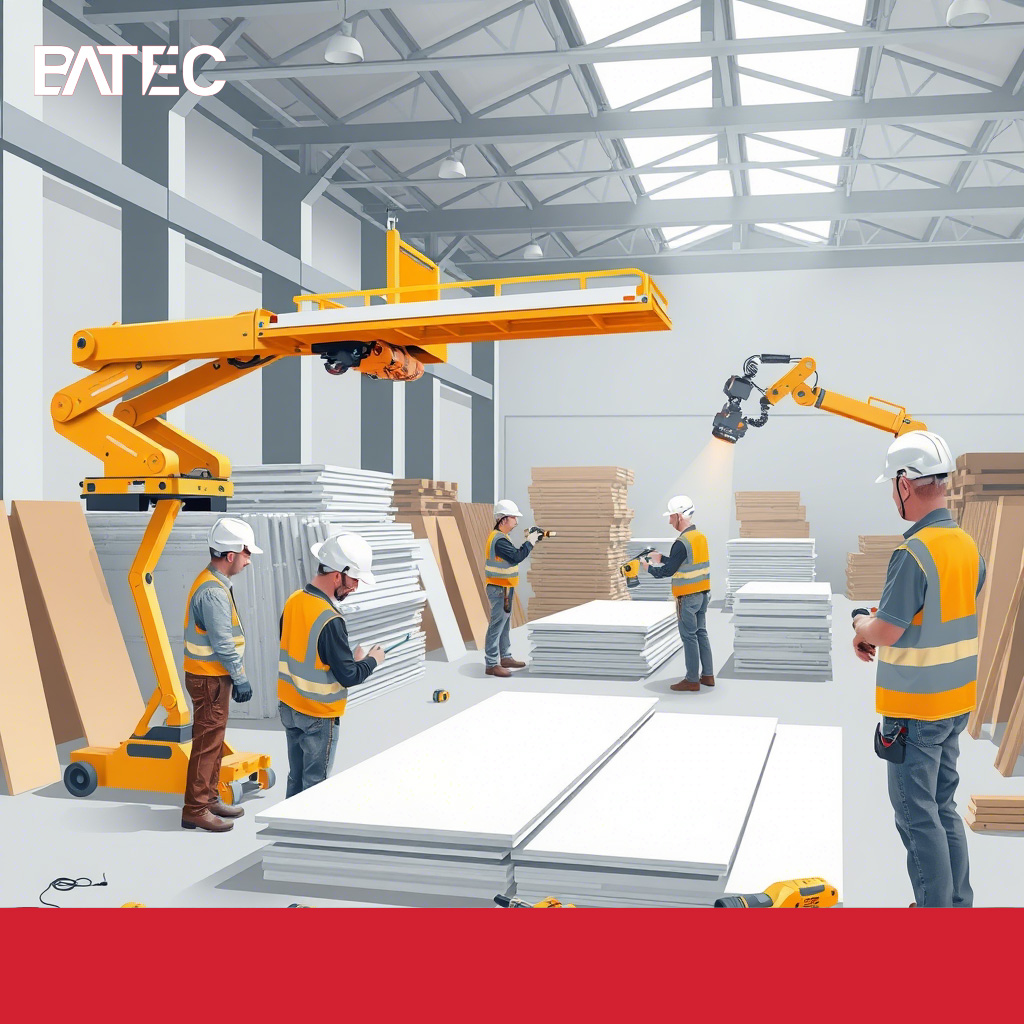
The drywall installation process, traditionally labor-intensive, has undergone significant technological improvements aimed at dramatically increasing speed, precision, and worker safety. These innovations are transforming how interior walls are built.
Automation in Finishing
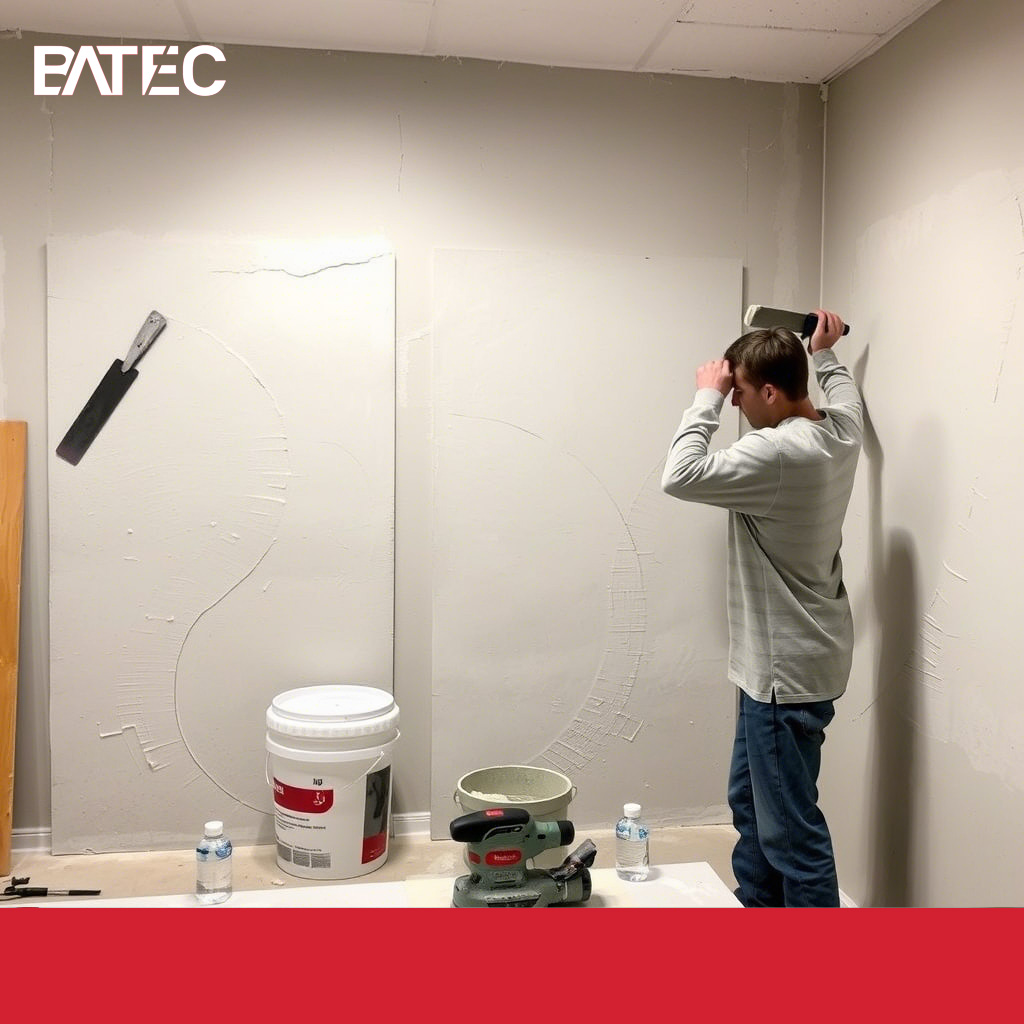
One of the most impactful advancements is the widespread adoption of automated drywall finishing machines. These machines apply joint compound uniformly and efficiently, drastically reducing the labor-intensive and time-consuming task of sanding. Tools like the RotoPro Max and various Sheetrock® Brand Automatic Tapers streamline the mudding and taping processes, potentially cutting down project timelines by as much as 40%. This not only accelerates completion but also ensures a more consistent and high-quality finish.
Precision with Lasers
Laser-guided tools have revolutionized layout and alignment processes on construction sites. Laser levels and distance meters ensure pinpoint accurate stud placement and precise drywall hanging, minimizing errors from the outset. This improved first-time accuracy is critical, as it significantly reduces the need for rework and minimizes material waste—both key considerations in sustainable construction practices.
Enhanced Productivity and Safety Tools
Power tools specifically designed for drywall work further enhance productivity while simultaneously protecting workers’ health:
Dustless sanders capture up to 95% of airborne particles, drastically improving indoor air quality during renovations and new builds. This is a major benefit for worker respiratory health.
Electric screw guns with depth control ensure screws are driven to the perfect depth every time, preventing damage to the drywall surface and speeding up installation.
Digital Planning and Collaboration
Beyond physical tools, mobile apps and digital planning platforms are empowering contractors to visualize installations with unprecedented detail before execution. Platforms like Builder Trend and PlanGrid enable real-time collaboration among architects, engineers, and installers. This ensures that drywall layouts align perfectly with complex electrical, plumbing, and HVAC plans, preventing costly conflicts and delays. As Building Information Modeling (BIM) becomes increasingly integrated into construction workflows, drywall installation is becoming smarter, faster, and remarkably more precise.