Sustainability in gypsum production and usage encompasses environmental, economic, and social dimensions. From an environmental perspective, the industry focuses on reducing greenhouse gas emissions, minimizing resource depletion, and increasing recycling rates. Gypsum’s potential for reuse and its relatively low embodied energy compared to other construction materials position it favorably in sustainability metrics.
Lifecycle analysis (LCA) of gypsum products considers all stages—from extraction and manufacturing to transportation, installation, use, and disposal. According to the Athena Institute, the LCA of gypsum wallboard shows that the majority of its environmental impact occurs during the manufacturing phase, particularly due to energy consumption and emissions from calcination.
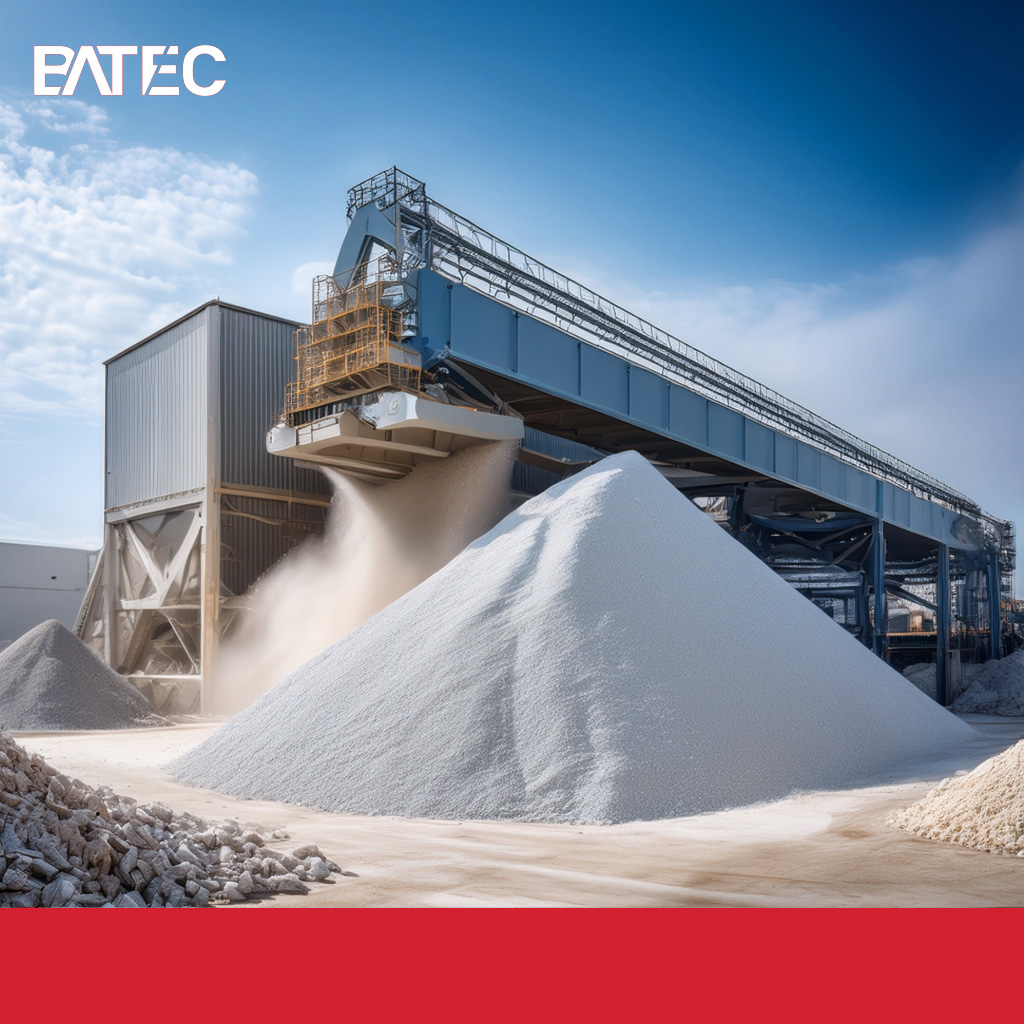
To mitigate these impacts, many manufacturers have adopted cleaner production techniques, including the use of renewable energy sources, improved kiln efficiency, and the integration of carbon capture technologies. Moreover, the shift toward using synthetic gypsum, especially from flue-gas desulfurization, reduces reliance on natural deposits and lowers overall emissions.
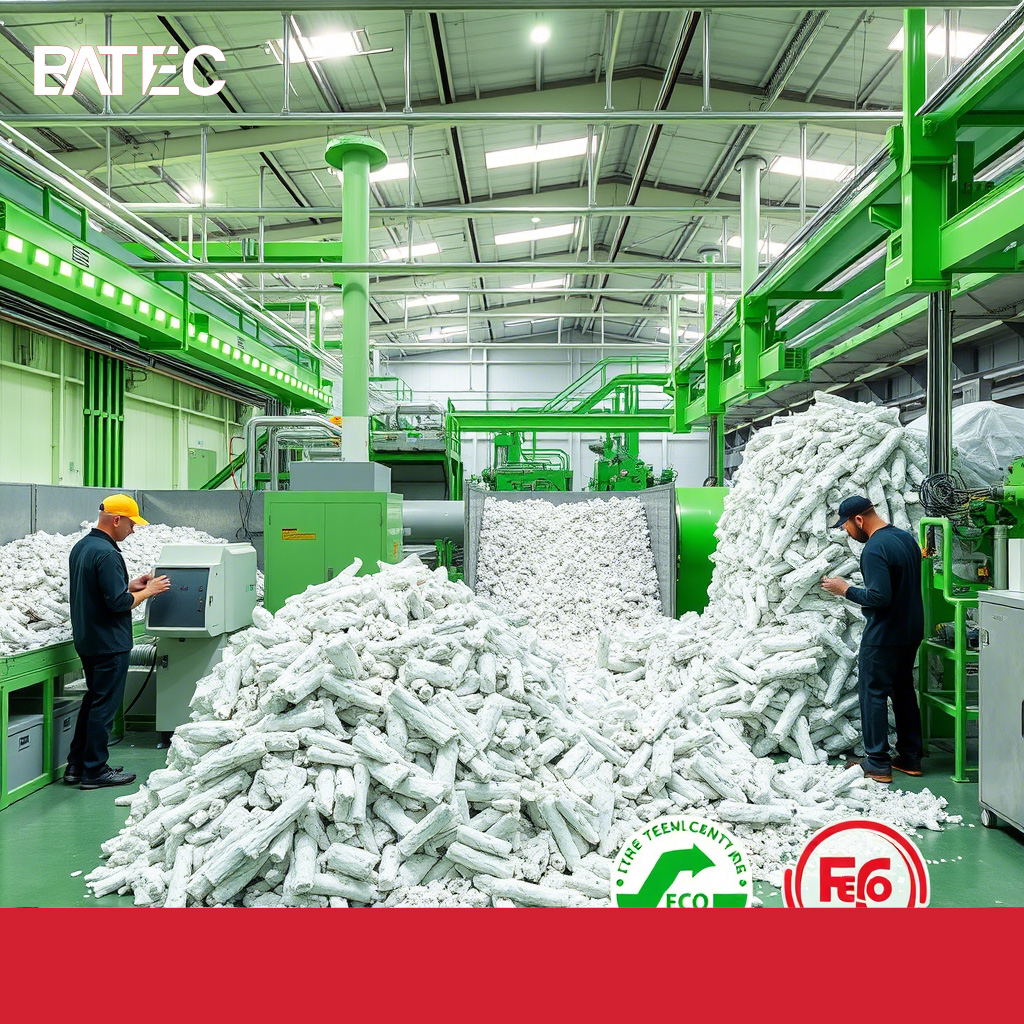
End-of-life management is another critical component of sustainability. While landfilling remains common, increasing emphasis is being placed on recycling infrastructure. In Europe, for instance, the European Gypsum Association reports that over 50% of gypsum waste is now being recycled. Governments and industry bodies are also developing policies and guidelines to encourage sustainable practices across the supply chain.