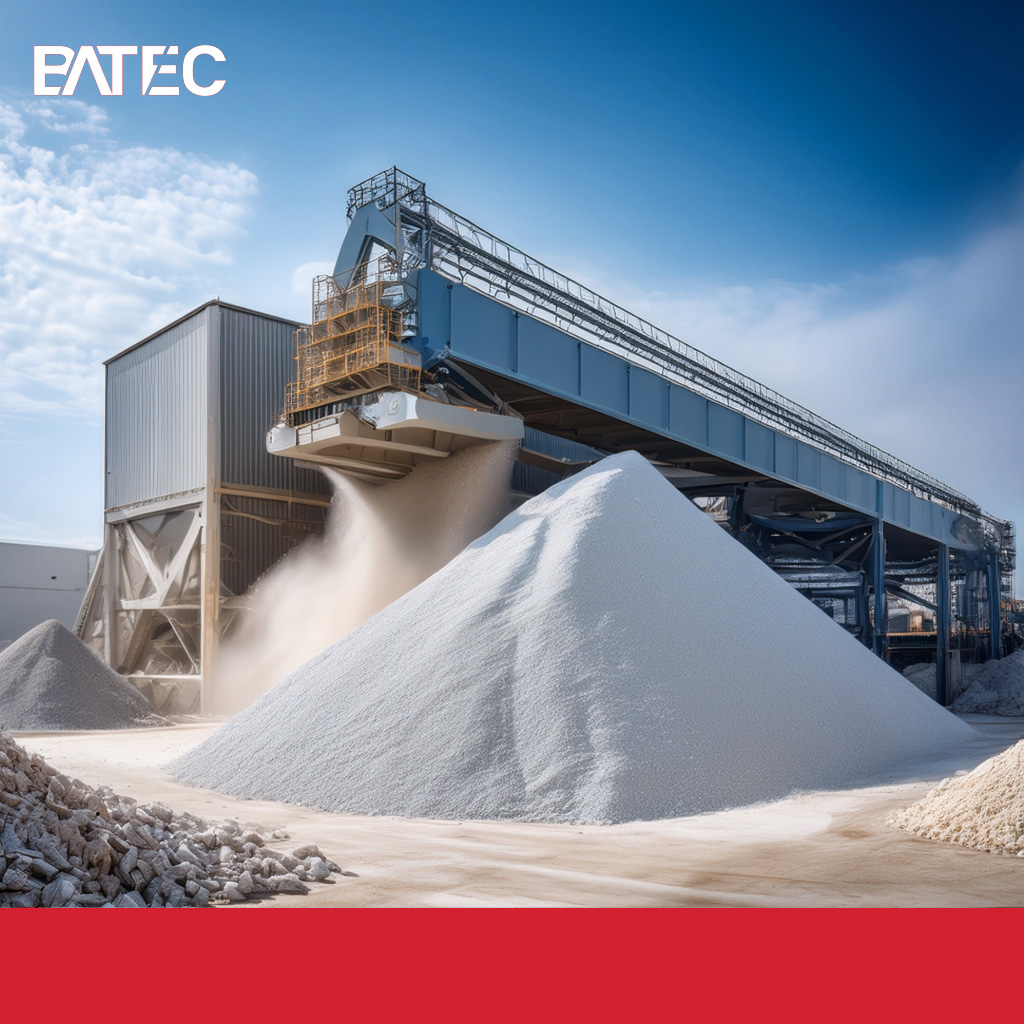
Recycling plays a central role in improving the sustainability of gypsum products. Traditional disposal methods often result in gypsum ending up in landfills, where it can react with organic matter under anaerobic conditions to produce hydrogen sulfide—a toxic and odorous gas. To address this issue, dedicated gypsum recycling facilities have emerged to process demolition waste and separate usable gypsum from contaminants like paper, paint, and adhesives.
Several countries have established successful gypsum recycling programs. For example, in the Netherlands, nearly 90% of construction and demolition gypsum waste is recycled, thanks to strong regulatory frameworks and industry collaboration. In North America, organizations like Gyp Eco in Canada and Greenboard Recycling in the U.S. offer solutions for collecting and repurposing post-consumer gypsum materials.
Green certifications such as LEED (Leadership in Energy and Environmental Design) and BREEAM (Building Research Establishment Environmental Assessment Method) recognize the use of recycled gypsum content and encourage sustainable sourcing practices. Projects that incorporate high percentages of recycled gypsum can earn credits toward certification, contributing to higher building sustainability ratings.
Beyond recycling, waste reduction strategies include optimizing material use during construction, adopting modular designs to minimize off-cuts, and promoting deconstruction rather than demolition. By embracing these approaches, stakeholders in the construction industry can significantly reduce environmental impact while supporting the transition to a more circular and responsible built environment.