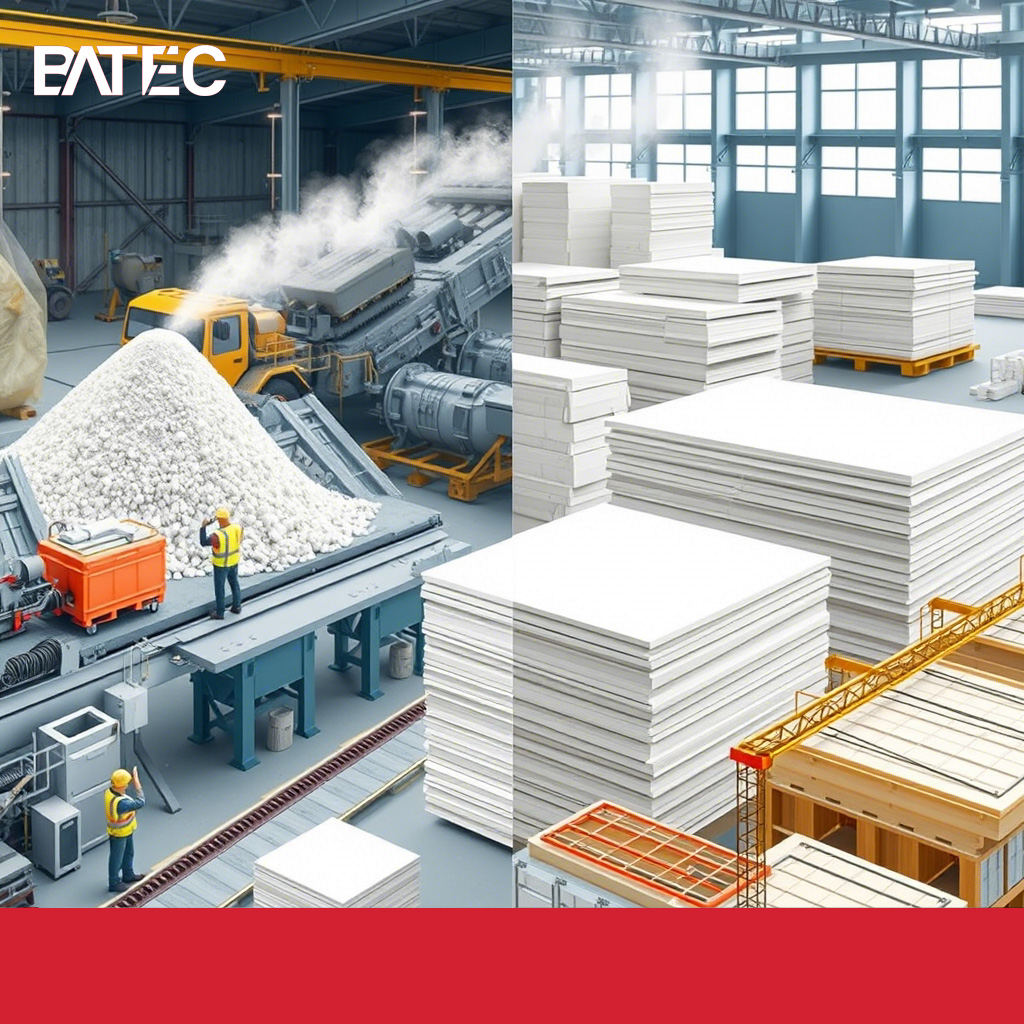
Gypsum (calcium sulfate dihydrate, CaSO₄·2H₂O) is a naturally occurring mineral that has been used in construction for centuries due to its excellent thermal and acoustic properties, fire resistance, and ease of use. When heated, gypsum loses water molecules and becomes calcium sulfate hemihydrate, commonly known as plaster of Paris, which can be rehydrated to form a solid mass. This unique chemical property allows for easy molding and shaping during manufacturing processes.
The molecular structure of gypsum contributes significantly to its performance in building applications. Its low thermal conductivity makes it an effective insulator, while its hygroscopic nature allows it to regulate indoor humidity by absorbing and releasing moisture. Globally, the majority of gypsum—well over 75%—is applied in construction, primarily in drywall, plasters, and flooring underlays, a trend consistently highlighted by organizations like the U.S. Geological Survey (USGS) in their mineral commodity reports.
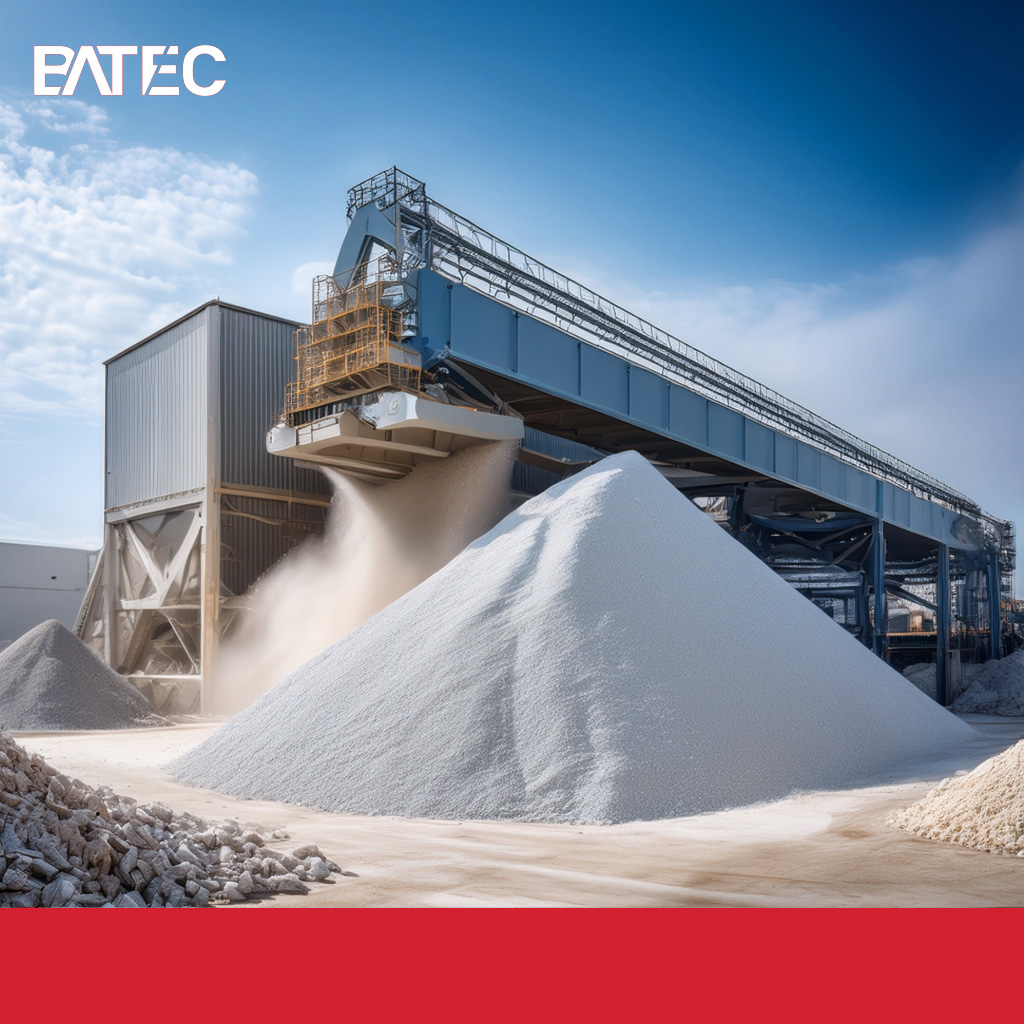
In modern construction, synthetic gypsum—often derived from flue-gas desulfurization (FGD) in coal-fired power plants—is increasingly used as an eco-friendly alternative to natural gypsum. This type of gypsum has similar properties but helps reduce mining impacts and waste accumulation. Studies have shown that FGD gypsum can even improve the workability and setting time of plaster products.
From a sustainability standpoint, gypsum’s recyclability enhances its appeal. Used drywall can be processed to recover the core gypsum material, reducing landfill waste and conserving resources. As the construction industry shifts toward green building practices, understanding the science behind gypsum becomes essential for architects, contractors, and engineers seeking sustainable yet high-performance materials.